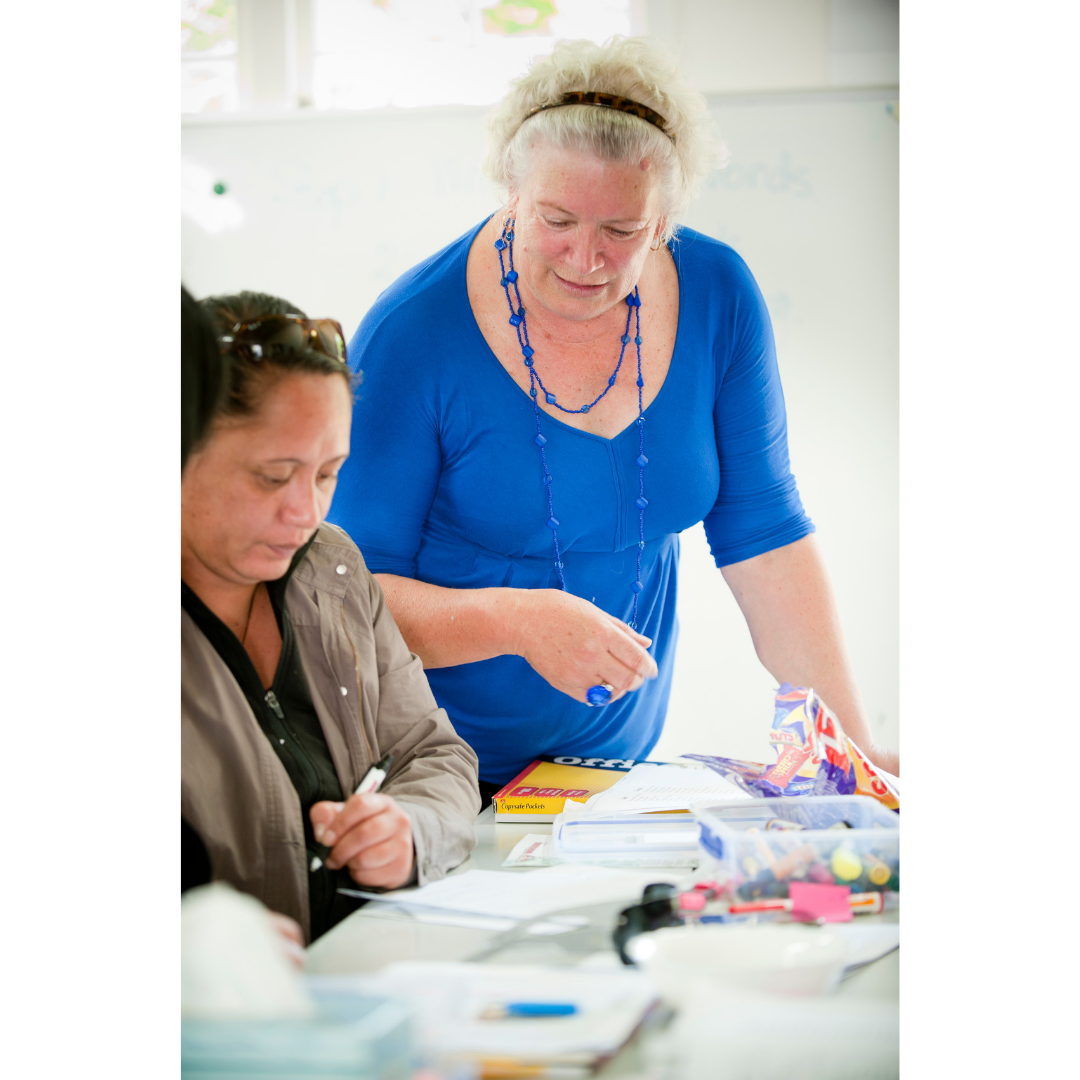
What is tuakana-teina?
Tuakana-teina is a Maori teaching and learning relationship where a more experienced person supports a less experienced person, while both continue to learn from each other. In education, tuakana-teina is often used to describe peer learning, mentoring, reciprocal support, and the way learners can take turns leading, helping, and learning together.
Why tuakana-teina matters for educators
Tuakana-teina matters because learning is not only delivered from teacher to learner. Learners also build capability through peer support, modelling, shared responsibility, and reciprocal teaching. Used well, tuakana-teina can strengthen confidence, belonging, leadership, and practical learning.
What is tuakana-teina?

This is an older post… you can read my newer posts on Tuakana-teina here.
Tuakana-teina is a teaching and learning approach drawn from Te Ao Māori – the Māori world.
It refers to the relationship between an older person (tuakana) and a younger person (teina). The meaning is literally “older sibling-younger sibling”.
Traditionally, it is specific to teaching and learning in the context of Māori. But while these terms have their origin on the Marae, we have come to use them to talk about relationships in adult education contexts in Aotearoa New Zealand.
How do we use tuakana-teina in education in New Zealand
While these terms have their origin on the Marae in traditional settings, we have come to use them to talk about relationships in our adult education contexts in Aotearoa New Zealand.
For example, in education you might hear people use tuakana-teina to talk about teaching and learning in four different ways:
- Peer-to-peer – teina teaches teina, tuakana teaches tuakana.
- Younger to older – the teina has some skills in an area that the tuakana does not and is able to teach the tuakana.
- Older to younger – the tuakana has the knowledge and content to pass on to the teina.
- Able to less able – the learner may not be as able in an area, and someone more skilled can teach what is required.
Tuakana-teina is more than just a mentoring approach
Tuakana-teina is a mentoring approach where typically the mentors (tuakana) share their experiences, and their knowledge as well as provide information.
But it’s also more than just a mentoring approach. The tuakana is a support person and adviser for the teina and the teina gives the tuakana a chance to learn new things and meet new people.
How does this approach contribute to a learner-centred teaching environment?
Tuakana-teina relationships are essentially learner-centred in nature. Even when you (as the tutor) are the tuakana, the relationship is more of a conversation or two-way street.
It’s flatter, like this:
Tuakana ↔ Teina
And less of a monologue or one-way street, like this:
Teacher
↓
Student
By fostering and encouraging tuakana-teina relationships among your learners, you shift the balance of power in the classroom away from yourself and to your learners.
Here’s a better illustration.

This allows them to take responsibility for the learning, and often some of the teaching too.
Questions for reflection
Consider your answers to the following questions:
- What do you do already in your teaching that makes it more like tuakana-teina…?
- Do you think your learners would characterise your teaching or training as more like a monologue or more like a conversation?
- What could you do to make it more like a conversation?
- What could you do to make your teaching less transactional?
Want to learn more?
There’s more about about tuakana-teina
If this was useful, you might also enjoy:
- Reading more about Tuakana-Teina here.
- Watching the short video below.
Listen to Tamati talking about tuakana-teina.
More on Tuakana-Teina
If you found this short post useful, you might also enjoy this article by guest contributor Aroha Puketapu.
If you carry one handle of the kete and I carry the other handle we share the load.
If I am left to bear the load on my own I become discouraged and the taonga inside the kete is looked upon as a burden.
But by each carrying a handle, we can discuss the harvest within.
We can talk about the quality of the kete or how long it has lasted.
We can talk about the type of harakeke selected to created that kete and how functional it is proven to be, who planted that pa harakeke and who cares for it.
We can talk about who holds its whakapapa or where it came from.
We can also talk about the skill of the weaver and appreciate her gifts and talent.
We can talk about the quality of the harvest and how to improve next season’s planting.
We can discuss the weather and this year’s conditions that produced the quality of the crop.
If the load is shared by us both we can walk and talk and enjoy our relationship or kinship. We can laugh thus creating trust.
We can plan strategies about who we will share the taonga or contents of our kete with.
We can discuss who needs it most and we can talk about equal portions based on that need.
We can essentially practise an egalitarian existence.
Tuakana Teina is far more than just mentoring someone in a skill that I possess.
It is a collaboration of appreciation based on shared mutual equal respect for one another.
FAQ: Tuakana-teina in education
What does tuakana-teina mean?
Tuakana-teina refers to an older sibling-younger sibling relationship. In education, it is often used to describe a reciprocal learning relationship where a more experienced person supports someone less experienced.
Is tuakana-teina the same as mentoring?
Tuakana-teina can include mentoring, but it is broader than a simple expert-novice model. It includes relationship, reciprocity, responsibility, and the possibility that people learn from each other in different ways.
How can teachers use tuakana-teina?
Teachers can use tuakana-teina through peer learning, buddy systems, group work, learner leadership, modelling, collaborative problem-solving, and opportunities for learners to teach or support each other.
Why is tuakana-teina useful in vocational education?
Vocational learning often involves modelling, practice, observation, feedback, and shared workplace knowledge. Tuakana-teina supports these processes by making peer learning and practical support more intentional.
Related Māori education concepts
This post is part of the wider Cultural Intelligence in Education collection. The aim is to connect practical teaching ideas with Māori and Pacific concepts for learner-centred education, cultural safety, and capability development.
Kia ora! Hey, I’d love to know what you think.