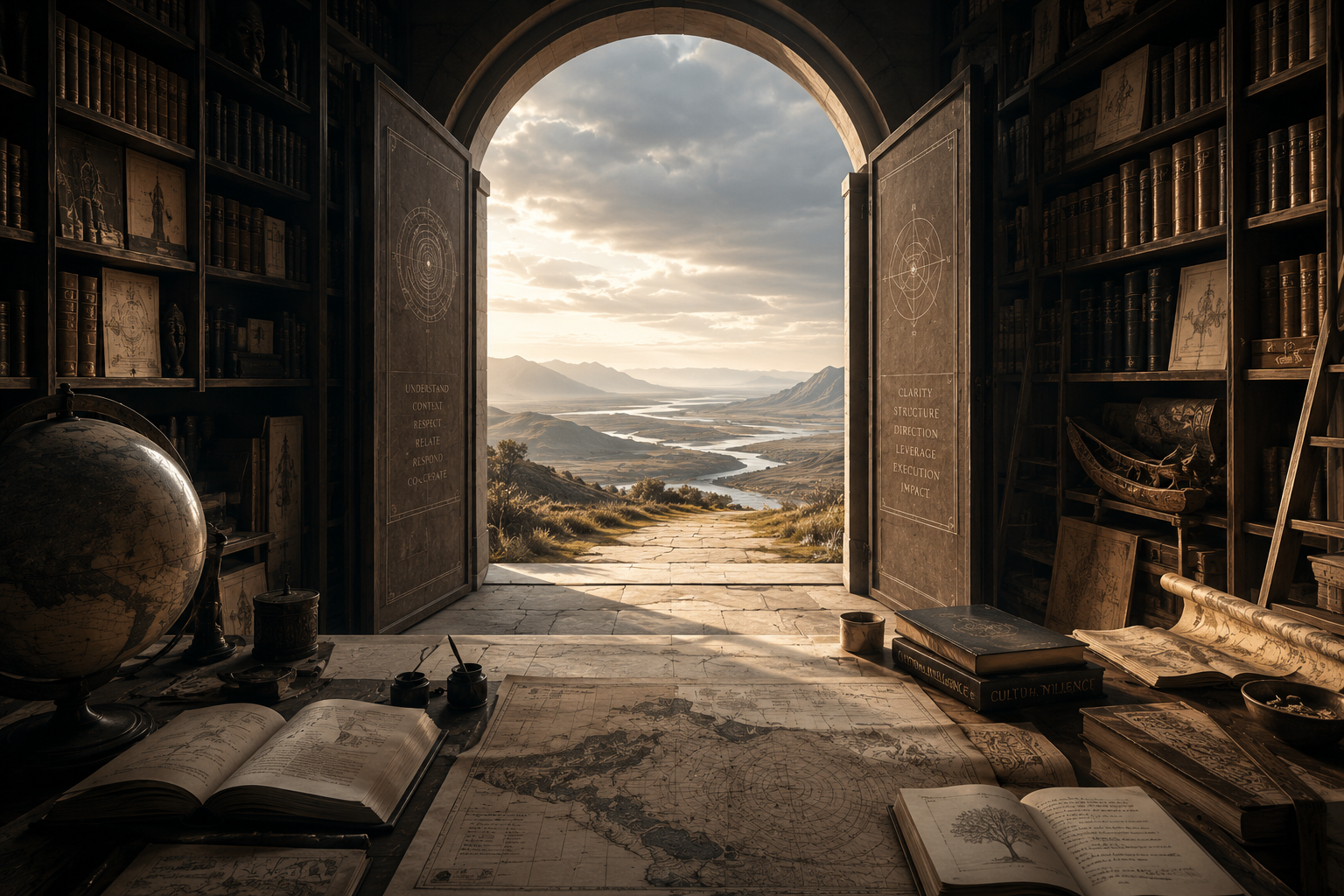
Cultural intelligence in education is the capability to design learning environments, relationships, assessment, and support systems that are responsive to culture, identity, whakapapa, language, context, and community knowledge. In Aotearoa and Pacific education settings, this includes understanding concepts such as whanaungatanga, tuakana-teina, rangatiratanga, whakapapa, tikanga, talanoa, le va, Fonofale, and cultural safety.
In the AI era, cultural intelligence becomes more important, not less. As tools become more powerful, educators and organisations need stronger judgement, relational practice, and culturally grounded capability.
Why cultural intelligence matters in education
Education is relational before it is technical. Learners bring identity, whakapapa, language, community, family responsibility, prior experience, and lived context into every learning environment. Cultural intelligence helps educators design for trust, participation, belonging, assessment, and learner success rather than treating learning as a generic content-delivery problem.
Generic learner-centred design is not enough if it ignores cultural context. Cultural intelligence asks educators and organisations to notice the conditions that make learning respectful, safe, participatory, and meaningful for specific learners in specific places.
Maori concepts for learner-centred teaching
Maori concepts offer practical ways to think about relationship, authority, identity, responsibility, listening, and learner success. These concepts should be approached with respect, context, and care. They are not generic teaching tricks. They are part of deeper bodies of knowledge and practice.
- Whanaungatanga: relationship, connection, belonging, and the work of getting to know learners.
- Tuakana-teina: reciprocal learning, mentoring, and peer-supported growth.
- Rangatiratanga: self-determination, learner agency, and authority.
- Whakapapa: connection, lineage, identity, story, and context.
- Tikanga and harakeke: practices, protocols, and right ways of acting in context.
- Korero, titiro, whakarongo: speaking, observing, and listening as learning practices.
Pacific concepts for cultural safety and centredness
Pacific education and wellbeing frameworks bring attention to family, spirituality, culture, language, environment, relational space, and collective context. For educators, these concepts can help make learning environments more respectful, connected, and responsive.
- Pacific cultural centredness: placing Pacific values, beliefs, and identity at the centre of practice.
- Talanoa: relational conversation, trust-building, and open exchange.
- Le Va: the relational space between people and the responsibilities held within it.
- Fonofale: a Pacific model of wellbeing connecting family, culture, spirituality, physical, mental, and other dimensions.
- Pacific cultural safety: practice that protects dignity, context, and cultural identity.
Cultural intelligence and capability development
Cultural intelligence is a capability, not a compliance checkbox. It affects how organisations design learning, facilitate relationships, assess progress, support educators, and govern systems that shape learner experience.
For capability-development work, cultural intelligence includes judgement, design, facilitation, assessment, governance, and the ability to work responsibly with context. It strengthens both human learning systems and AI-era education systems because it keeps relationship, identity, agency, and responsibility visible.
Related AI-era education pieces include A Way In: AI Tertiary Education Aotearoa, Kaitiaki in the Digital Age, TAPA GPT on Pathways Awarua, and Meet AIHOA @ Ako Aotearoa.
Cultural intelligence in the AI era
This connects with the wider AI Sovereignty and Intelligence Infrastructure hub, where cultural capability, Indigenous AI, data sovereignty, and community agency become part of the same long-term infrastructure question.
As AI becomes embedded in education, cultural intelligence becomes part of the governance problem. The issue is not only whether tools can generate content, feedback, or assessment support. The deeper issue is whether systems can preserve judgement, relational accountability, cultural context, and learner agency.
- Who defines what good learning looks like?
- How are cultural contexts protected when systems scale?
- What forms of judgement cannot be delegated to tools?
- How do educators use AI without weakening relationship, context, or responsibility?
Recommended reading pathways
For educators starting with Maori learner-centred concepts
For Pacific education and wellbeing contexts
For AI-era education leadership
- Cultural Intelligence in Education
- Kaitiaki in the Digital Age
- Meet AIHOA @ Ako Aotearoa
- TAPA GPT on Pathways Awarua
- A Way In: AI Tertiary Education Aotearoa
Work with me
I work with education, workforce, and capability-development organisations on learning design, micro-credentials, AI capability, and systems change. If you are trying to build culturally grounded, future-facing learning systems, this work connects directly to that challenge.
For collaboration, consulting, or capability-development conversations, start from the main site or get in touch through the contact pathways there.
Frequently asked questions
What is cultural intelligence in education?
Cultural intelligence in education is the capability to design and facilitate learning in ways that respect identity, context, language, relationships, community knowledge, and cultural values. It affects how educators build trust, support participation, design assessment, and create learner success.
Why does cultural intelligence matter for educators?
Cultural intelligence matters because learning is relational and contextual. Educators who understand culture, identity, and relationship can design learning environments that are more respectful, inclusive, and effective.
What are examples of Maori concepts used in learner-centred education?
Examples include whanaungatanga, tuakana-teina, rangatiratanga, whakapapa, tikanga, and korero, titiro, whakarongo. Each concept points to a different aspect of relationship, agency, identity, practice, and learning.
What are examples of Pacific concepts used in education?
Examples include talanoa, le va, Fonofale, Pacific cultural centredness, and Pacific cultural safety. These concepts help educators think about relationship, wellbeing, family, cultural identity, and respectful learning environments.
How does cultural intelligence connect to AI in education?
AI increases the need for cultural intelligence because education systems must preserve judgement, relationship, learner agency, and cultural context as tools become more powerful. Cultural intelligence helps educators decide what should not be automated, flattened, or removed from human responsibility.