Tag: Approaches
-

Navigating a Pathway for Educational Development: Te Whakawhanake Ara Mātauranga
—
by
in Education, Academic Success and Support, Action Steps for Educators, adult education, Adult Tertiary Education, Adult vocational education, Aotearoa, Approaches, Business improvement, Collaboration, consulting, Cross-Cultural Understanding, cultural awareness, Cultural Capability, Cultural Competency, Cultural diversity, Cultural diversity and inclusion, Cultural Diversity in Education, Cultural Integration, Cultural Safety, Cultural Studies, Cultural values, Design, Design Thinking, Digital Badges, Education and learning, education and training, Education delivery model, Education insights, Education Strategies, Educational Frameworks, educational innovation, Educator Professional Development, Educator’s Journey, Framework, Frameworks, innovation and creativity, Innovation Strategies, Innovations in Teaching and Learning, micro-credentials, Māori Education Concepts, Māori Perspectives, Māori Philosophy, NZ, NZ Context, Te Ao MāoriExplore the journey of ‘Te Whakawhanake Ara Mātauranga,’ a transformative pathway for Māori educational development. This post delves into the cyclical process of learning innovation, rooted in Māori philosophies, through stages of potential, maturation, integration, and fulfillment. Discover how these stages intertwine to forge a dynamic, culturally enriched educational framework.
-

Understanding Pacific Cultural Safety: A Guide for Educators – Part 3
—
by
in Education, Adult Learning, cultural, Cultural Competency, Foundation Learning, Improve learning, Improve teaching practice, Improving learner writing, inform teaching, Knowing the learner, Learn anything, learner, Learner Agency, Learner Centred, Learner success, Learners, Learning, Pacific, Pasifika, Should we teach, teach, Teach better, Teach Better Now, teacher, Teachers, teaching, Teaching philosophy, You can teach betterUnderstanding Pacific Cultural Safety: A Guide for Educators – Part 3
-

Understanding Pacific Cultural Safety: A Guide for Educators – Part 2
—
by
in Education, Adult Learning, Education delivery model, Education resources, educator, Educator’s Journey, Foundation Learning, Improve teaching practice, inform teaching, Knowing the learner, learner, Learner Agency, Learner Centred, Learner success, Learners, Learning, Pacific, Pasifika, Should we teach, teach, Teach better, Teach Better Now, teacher, Teachers, teaching, Teaching philosophyUnderstanding Pacific Cultural Safety: A Guide for Educators – Part 2
-

Understanding Pacific Cultural Safety: A Guide for Educators – Part 1
—
by
in Education, Adult Learning, cultural, Cultural Competency, Education delivery model, Education resources, educator, Educator’s Journey, Foundation Learning, Improve learning, Improve teaching practice, inform teaching, Knowing the learner, Learn anything, learner, Learner Agency, Learner Centred, Learner success, Learners, Learning, Pacific, Pasifika, Should we teach, teach, Teach better, Teach Better Now, teacher, Teachers, teaching, Teaching philosophy, You can teach betterLearn how Pacific cultural safety helps educators protect learner dignity, identity, belonging, trust, and participation in education.
-

Fonofale Part 2: Applying The Pacific Wellbeing Model In Education
—
by
in Education, Adult Learning, Fonofale, Foundation Learning, Improve learning, Improve teaching practice, inform teaching, Knowing the learner, learner, Learner Agency, Learner Centred, Learner success, Learners, Learning, Pacific, Pasifika, Should we teach, teach, Teach better, Teach Better Now, teacher, Teachers, teaching, Teaching philosophy, You can teach betterFonofale Part 2 explores how the Pacific wellbeing model helps educators support learners through family, culture, spirituality, wellbeing, and context.
-

Unlocking the Power of Fonofale: How Pacific Health & Education Can Benefit – Part 1
—
by
in Education, Adult Learning, Fonofale, Foundation Learning, Improve learning, Improve teaching practice, inform teaching, Knowing the learner, learner, Learner Agency, Learner Centred, Learner success, Learners, Learning, Pacific, Pasifika, Should we teach, teach, Teach better, Teach Better Now, teacher, Teachers, teaching, Teaching philosophy, You can teach betterUnlocking the Power of Fonofale: How Pacific Health & Education Can Benefit – Part 1
-
How Can I Get Better At Teaching? 5 Ebooks For Your Teaching Journey
—
by
in Education, Education delivery model, Education resources, Executive Education, Export Education, Improve teaching practice, Indigenous education, inform teaching, International education, Lean education, make better, Read better, Should we teach, teach, Teach better, Teach Better Now, teacher, Teachers, teaching, Teaching philosophy, You can teach betterIf you want to get better at teaching, regardless of your role, here are 5 eBooks that are easy to understand and that will help you in your journey.
-

What is Learner-Centred Teaching? 4 Simple Things You Need to Know to Improve Your Teaching
The notion of the learner-centred teaching approach is not new. In fact, it has existed in one form or another for many millennia. For example, Plato’s Academy and Aristotle’s Lyceum were both examples of learner-centred institutions dedicated to the pursuit of knowledge.
-
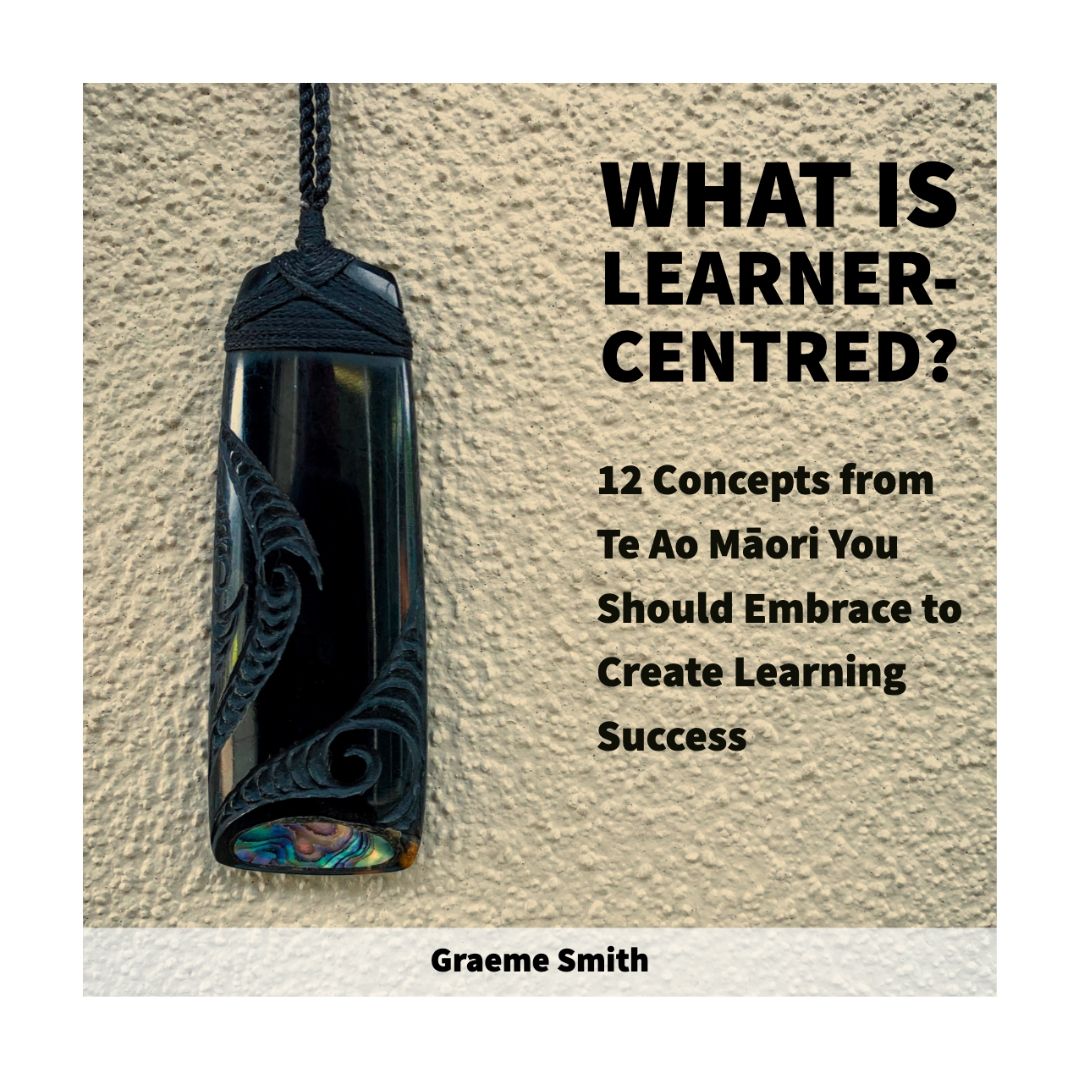
REVIEW of What is Learner-Centred? 12 Concepts from Te Ao Māori You Should Embrace to Create Learning Success
—
by
in Adult, Adult Learning, Adults, Anxiety caused by learning, Approaches, Concepts, Education, Education delivery model, Education resources, educator, Educator’s Journey, Executive Education, Indigenous education, Knowing the learner, learner, Learner Centred, Learner success, Learners, Maori, Maori Literacy, Maori literacy initiatives, NCALNE (Educator), Success, The rise of the educator-entrepreneurCheck out this review of What is Learner Centred? 12 Concepts from Te Ao Māori You Should Embrace to Create Learning Success
-
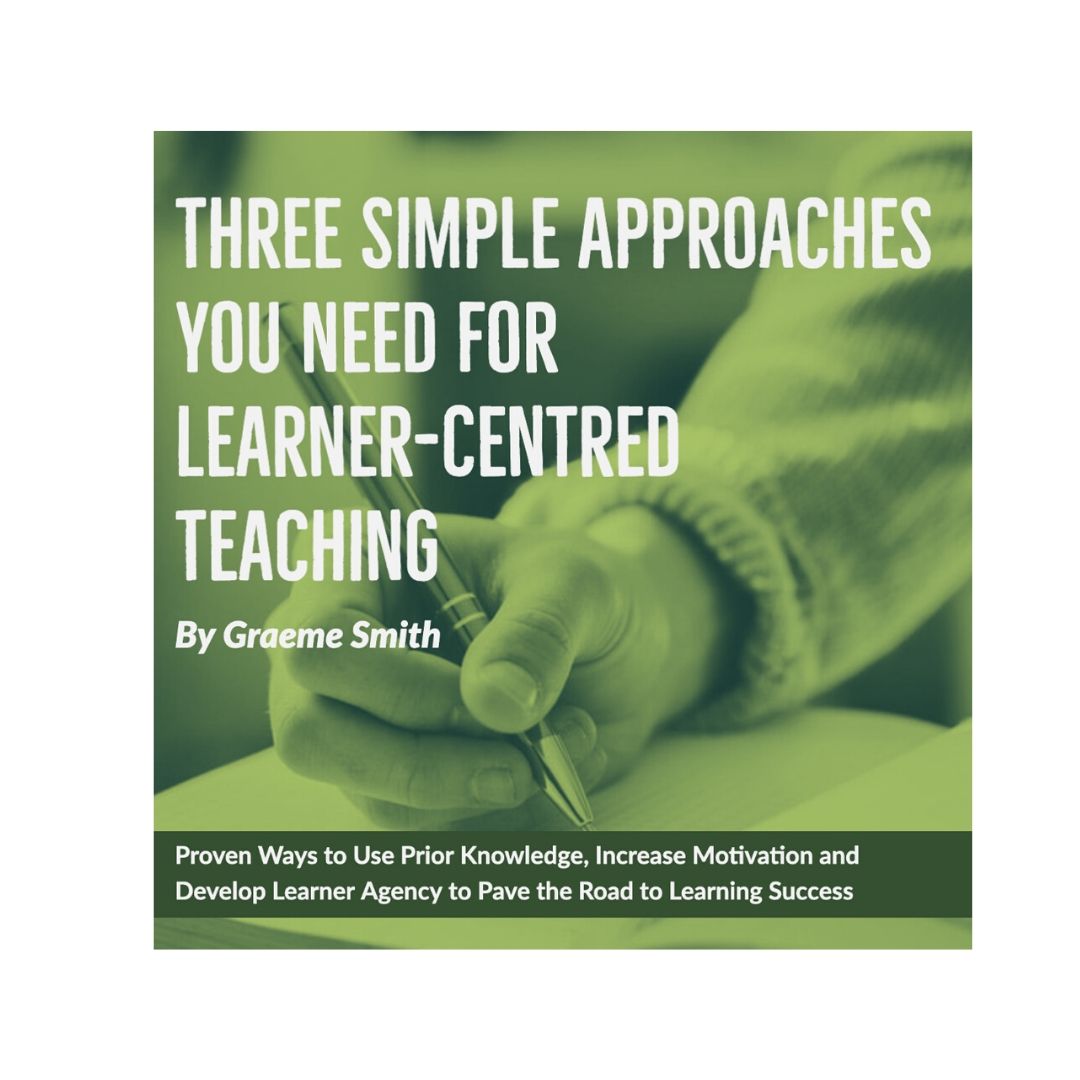
Use Prior Knowledge, Increase Motivation and Develop Learner Agency to Pave the Way to Learning Success
Have you ever thought about how to improve your teaching? Have you ever wondered what it takes to create learner success in any teaching environment? Well, you need three things. Make that four things: