Category: Approaches
-

Navigating a Pathway for Educational Development: Te Whakawhanake Ara Mātauranga
—
by
in Education, Academic Success and Support, Action Steps for Educators, adult education, Adult Tertiary Education, Adult vocational education, Aotearoa, Approaches, Business improvement, Collaboration, consulting, Cross-Cultural Understanding, cultural awareness, Cultural Capability, Cultural Competency, Cultural diversity, Cultural diversity and inclusion, Cultural Diversity in Education, Cultural Integration, Cultural Safety, Cultural Studies, Cultural values, Design, Design Thinking, Digital Badges, Education and learning, education and training, Education delivery model, Education insights, Education Strategies, Educational Frameworks, educational innovation, Educator Professional Development, Educator’s Journey, Framework, Frameworks, innovation and creativity, Innovation Strategies, Innovations in Teaching and Learning, micro-credentials, Māori Education Concepts, Māori Perspectives, Māori Philosophy, NZ, NZ Context, Te Ao MāoriExplore the journey of ‘Te Whakawhanake Ara Mātauranga,’ a transformative pathway for Māori educational development. This post delves into the cyclical process of learning innovation, rooted in Māori philosophies, through stages of potential, maturation, integration, and fulfillment. Discover how these stages intertwine to forge a dynamic, culturally enriched educational framework.
-
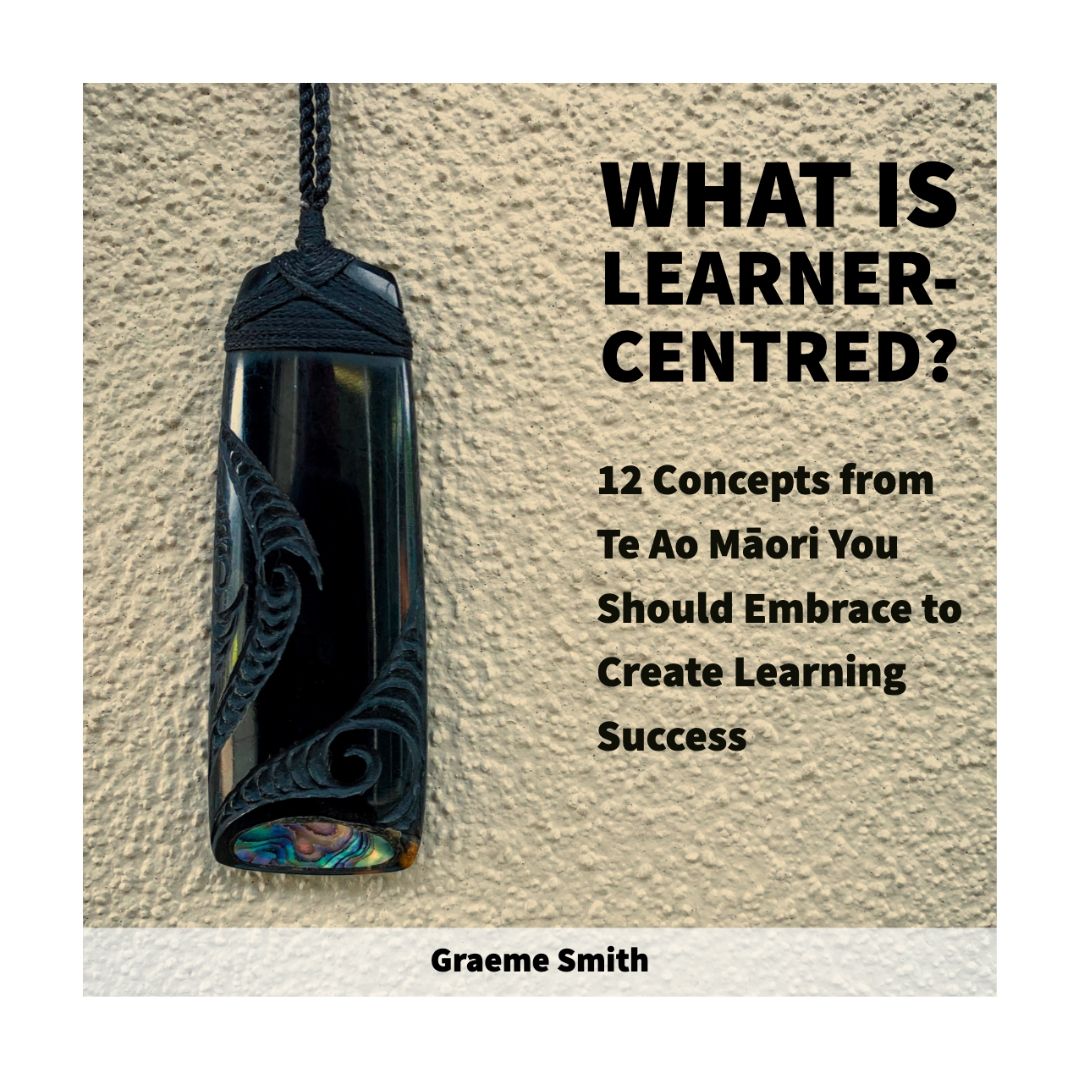
REVIEW of What is Learner-Centred? 12 Concepts from Te Ao Māori You Should Embrace to Create Learning Success
—
by
in Adult, Adult Learning, Adults, Anxiety caused by learning, Approaches, Concepts, Education, Education delivery model, Education resources, educator, Educator’s Journey, Executive Education, Indigenous education, Knowing the learner, learner, Learner Centred, Learner success, Learners, Maori, Maori Literacy, Maori literacy initiatives, NCALNE (Educator), Success, The rise of the educator-entrepreneurCheck out this review of What is Learner Centred? 12 Concepts from Te Ao Māori You Should Embrace to Create Learning Success
-

You talk too much
Do you work in education? Then let’s face it… You talk too much. And it’s not helping. It’s hard, if not impossible for anyone to learn anything with so much talking going on. From you, I mean. I want you to inspire, innovate, create and educate. And I want to do the same. But there’s…
-
APPROACHES – New Content for the new NZCALNE Assessment 2 with ALEC
As we’ve said elsewhere, this is a transition year from the old NCALNE (Voc) to the new NZCALNE (Voc). We’re in the middle of writing new material which will be available in a new format on Pathways Awarua shortly. The first draft of this is available here on my blog. If you’re up to the second…
-
Approaches and concepts: Some things to think about before we move on
From here we can move on to the third section of the NZCALNE. Shortly, we’ll be looking at how to map the demands of your course. Before that, though, have a think about your answers to the questions below. The questions aren’t assessed, so you don’t have to hand in your answers. But, talking about…
-
Concepts: Thinking deeper and taking some notes
Nearly there. Good work so far…! Here’s what we’ve covered: Motivation Agency Whakapapa Whanaungatanga Mana atua Mana ao tūroa Mana whenua Mana tangata Mana reo Tino rangatiratanga Kōrero, titiro, and whakarongo Kaitiakitanga Time to do some work Let’s stop again and make some notes. Skip back if you need to. But as before, see what…
-

What is Kaitiakitanga? 1 Notable Concept You Need to Know Now
Kaitiakitanga is a New Zealand term used for the Māori concept of guardianship, for the sky, the sea, and the land. A kaitiaki is a guardian, and the process and practices of protecting and looking after the environment are referred to as kaitiakitanga.
-
Concepts: What are Kōrero, Titiro, Whakarongo?
Get my eBook on Learner-Centred Teaching Get my eBook on Learner-Centred Teaching What are kōrero, titiro and whakarongo? Kōrero, titiro, and whakarongo refer to speaking, observing, and listening. As a culture with a rich oral tradition, Māori approaches to teaching and learning place great value on speaking, observing, and listening. These different learning styles can…
-
What Is Mana Reo? Discover 2 Great Ways To Describe Learner Centred Teaching
Get my eBook on Learner-Centred Teaching What is mana reo? In education, mana reo often refers to communication skills and, as such, lends itself directly to discussion of literacy and numeracy skills development. Both of these help describe a learner-centred teaching environment. Communication Mana reo means developing communication skills. Mana reo is literally the mana…
-
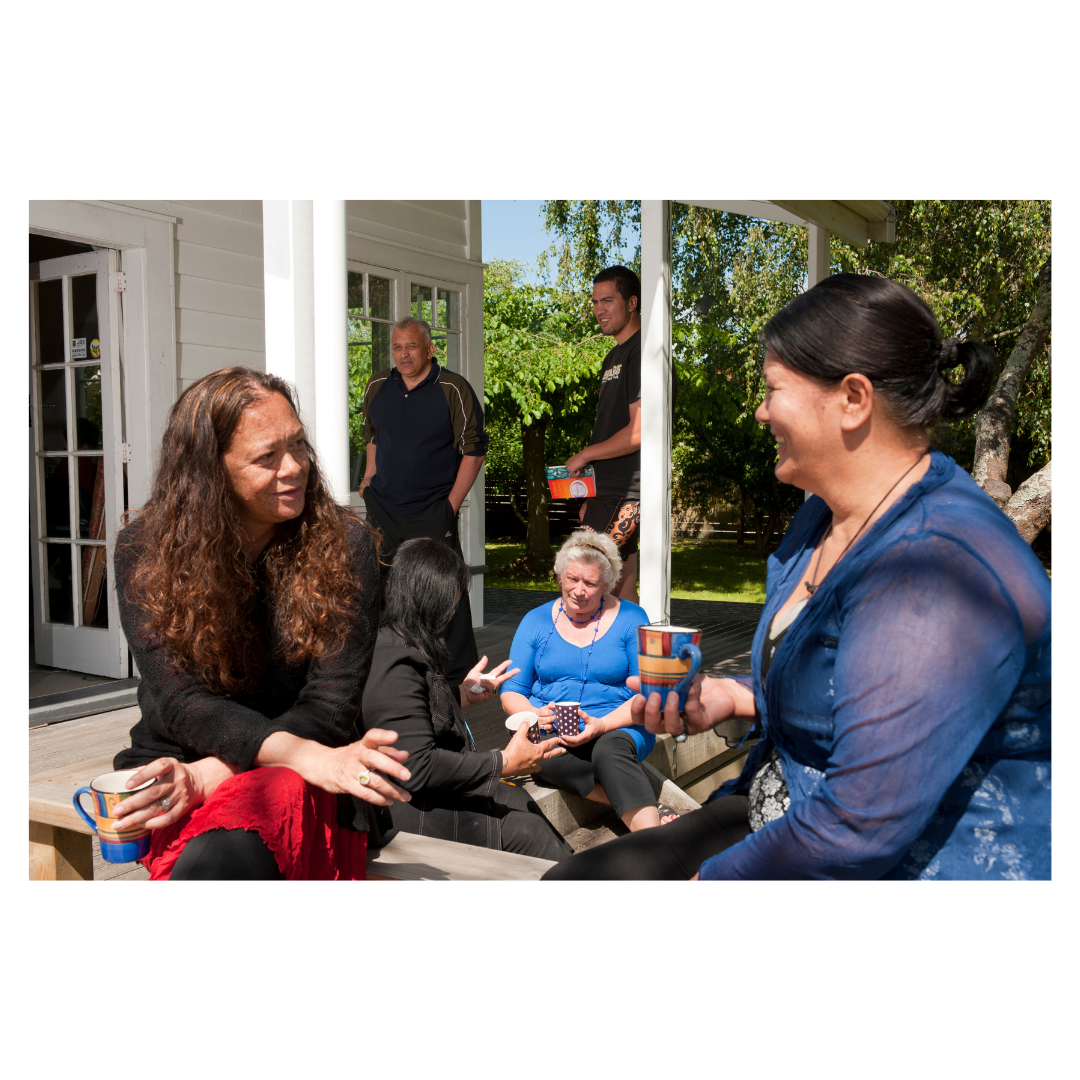
Mana Whenua: 5 Questions to Consider if You Want to Create Learner Success?
In a literal sense, mana whenua refers to the mana or power and authority that comes from the land. But it can also refer to beliefs, building relationships and developing a sense of belonging.