Category: Maori culture
-
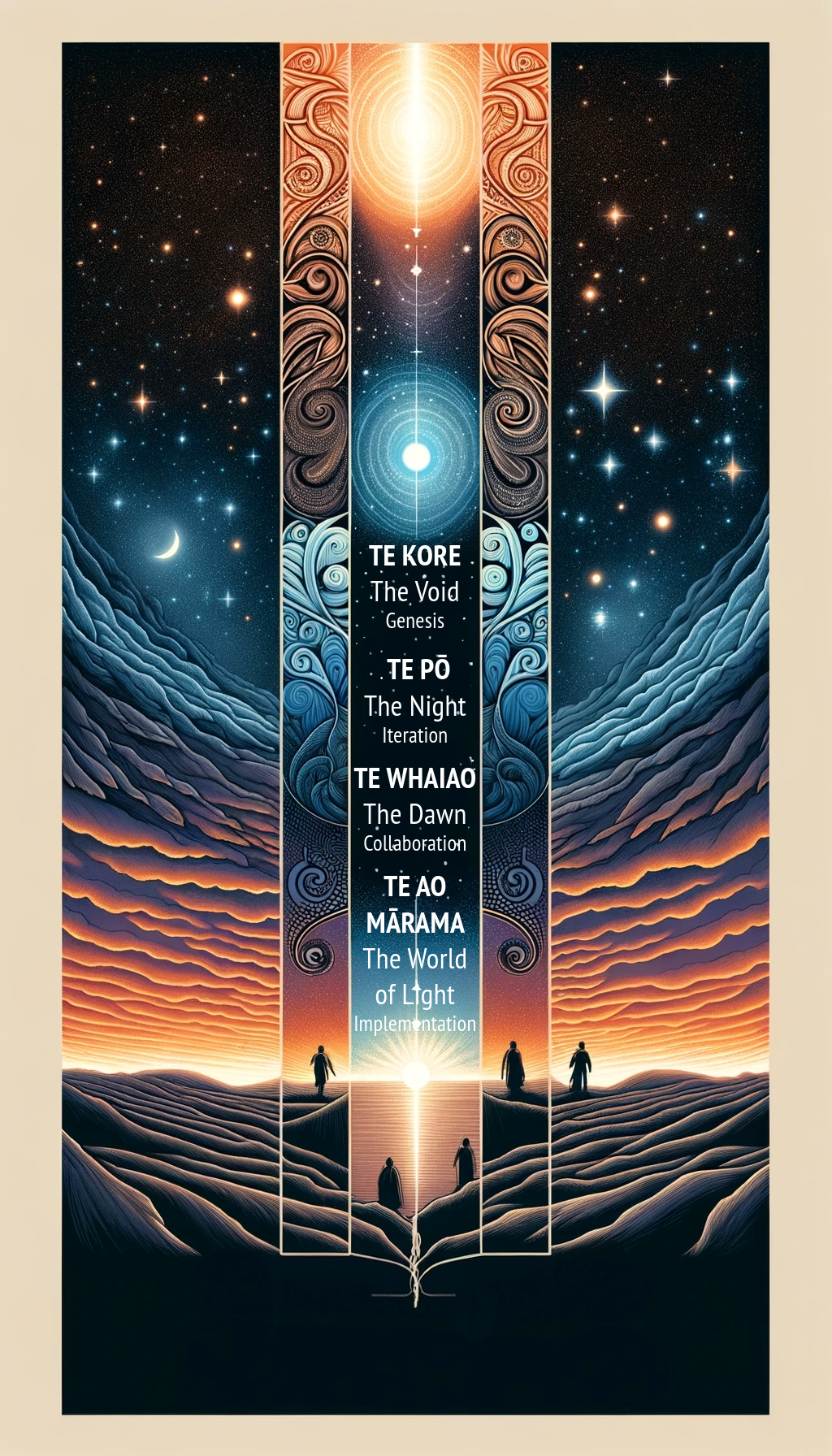
Te Ara Whakamārama: A Māori-Informed Design And Development Framework
—
by
in Education, Creative, creative process, Creative Processes, Creative projects, Cultural insights, Design, Design Thinking, Educational Frameworks, educational innovation, Educator Professional Development, Frameworks, Indigenous knowledge, innovation, innovation and creativity, Innovation Strategies, Innovations in Teaching and Learning, Maori, Maori culture, Professional DevelopmentTe Ara Whakamārama is a Te Ao Māori-informed framework for design, development, collaboration, implementation, and legacy.
-

Unlocking Well-Being through 6 States of Mauri: An Exploration of Conny Huaki’s Mauri Cards
Explore the transformative power of Mauri Cards in enhancing well-being and mental health. Rooted in Māori philosophy, these cards offer a practical approach to understanding Mauri, the life force that interconnects physical and spiritual realms. Created by Conny Huaki, the Mauri Cards serve as tools for self-reflection, making the abstract concept of Mauri accessible. Discover…
-

Tuakana-teina Peer Learning: Applying Reciprocal Learning In Education
—
by
in Education, Academic Research, Action Steps for Educators, Adult, Adult Community Education, adult education, Adult Education and Literacy, Adult Learning, Adult Tertiary Education, Adult vocational education, Community Education, Cultural Sensitivity, Emotional Support, Maori, Maori culture, Maori Literacy, Maori literacy initiatives, Mentorship and Guidance, Māori Education Concepts, Needs Assessment, Peer-Assisted Learning, Skill Development, Skills Development, Vocational TrainingTuakana-teina peer learning uses reciprocal support, mentoring, modelling, and shared responsibility to strengthen learning, confidence, and learner agency.
-
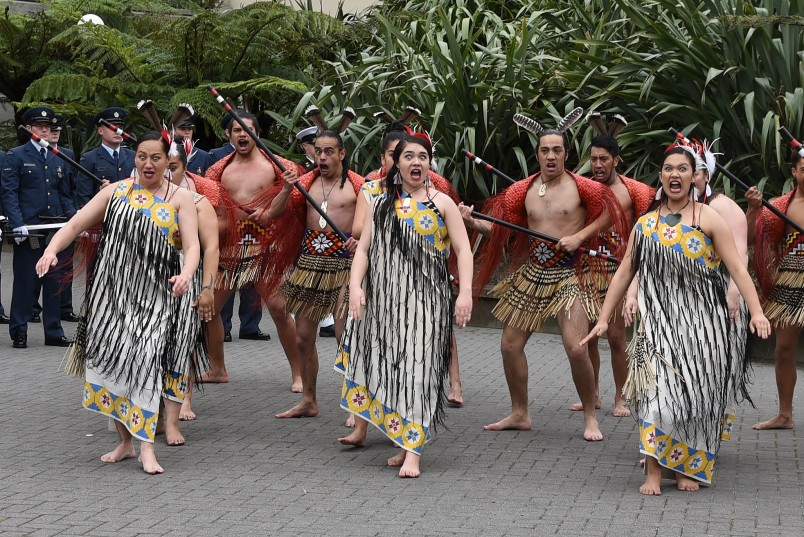
Pōwhiri And Whanaungatanga: Building Belonging In Adult Learning
—
by
in Education, Adult vocational education, cultural, cultural awareness, Cultural Competency, Cultural diversity and inclusion, Cultural Safety, Effective teaching techniques, Improve teaching practice, Inclusive Environment, Inclusive learning environment, Maori culture, Māori Cultural Safety, Māori culture and traditions, teaching and learning, Teaching Resources, Teaching Strategies, Teaching Strategies and Techniques, vocational, vocational education, Vocational Learning, Vocational Training, Workplace culture and communicationA practical guide to how pōwhiri, mihi whakatau, and whanaungatanga can inform welcome, belonging, relationship-building, and culturally safer learning environments.
-

Practical Ways to Support Rangatiratanga in Vocational Education
This post explores the concept of Rangatiratanga in vocational education. Rangatiratanga, which is central to Māori culture and emphasises the importance of self-determination and sovereignty. It highlights practical tips for vocational educators to incorporate Rangatiratanga into their teaching practice, such as promoting learner agency, encouraging critical thinking, and acknowledging cultural differences. By doing so, educators…