Category: vocational education
-

AIHOA Kaiārahi: Your AI Companion for Aotearoa Educators
AIHOA Kaiārahi is the newly updated AI companion for Aotearoa’s tertiary educators — offering support for teaching, assessment integrity, cultural alignment, ethics, and organisational leadership. This release replaces the earlier Ako Aotearoa version and links directly with the new AI Fluence modules on Pathways Awarua.
-

The Future is Here: AI-Native Assessment in NZQA
Discover how NZQA (and we) can lead with AI-native assessment. Explore a two-layer strategy—educator PLD and learner redesign—for an AI-rich future.
-

Embedding Literacy and Numeracy in Vocational Training – LLN CoP Workshop Recap
—
by
in Education, Adult Learning, Adult vocational education, AI in Education, Education Technology (EdTech), Educator Professional Development, Literacy and Numeracy (LN), Professional Development, Professional Development for Educators, Professional Development for Teachers, Teacher professional development, Trades Training, vocational educationEmbedding Literacy and Numeracy in Vocational Training from the LLN Community of Practice workshop. Explore Tapatoru, DFQM, and ALEC GPT, plus hands-on AI-powered LN support for trades educators. 🚀 #VocationalTraining #LLN
-

Crafting Effective ChatGPT Prompts: Harnessing AI for Research and Navigating Pitfalls (E.g. Fonofale)
Explore the art of crafting effective ChatGPT prompts for precise research outcomes. Dive into the intricacies of the Fonofale Model, learn from iterative prompt refinements, and navigate the common pitfalls of AI-driven research.
-

A Tertiary Educator’s Guide to Technology, AI and Cultural Responsiveness: Or Why You Need to Understand and Embrace the Untapped Digital Landscape
—
by
in Education, Adult Community Education, adult education, Adult vocational education, Artificial Intelligence, Artificial Intelligence in Education, Digital Literacy, education technology, Ethical Considerations, New Zealand Education, Professional Development, Technology-Enhanced learning, Tertiary, Tertiary Education, Tertiary Education Insights, vocational education, Vocational Learning, Vocational TrainingExplore the transformative role of technology in New Zealand’s tertiary education sector. This comprehensive guide covers digital literacy, AI tools, ethical considerations, and the integration of Māori values. Ideal for vocational trainers, academic lecturers, and adult community educators.
-

Empowering Neurodiverse Vocational Education: Strategies to Maximise Success for Students with Learning Differences
—
by
in Education, Accessibility, Adult vocational education, Equity and Access in Education, Inclusive education, Inclusive Environment, Inclusive learning environment, Neurodiversity, Neurodiversity and Inclusion, Teaching Strategies, Teaching Strategies and Techniques, vocational, vocational education, Vocational Learning, Vocational TrainingDiscover powerful strategies to maximise success in neurodiverse vocational education. Learn dynamic approaches to support students with learning differences and create an inclusive environment in trades training settings.
-
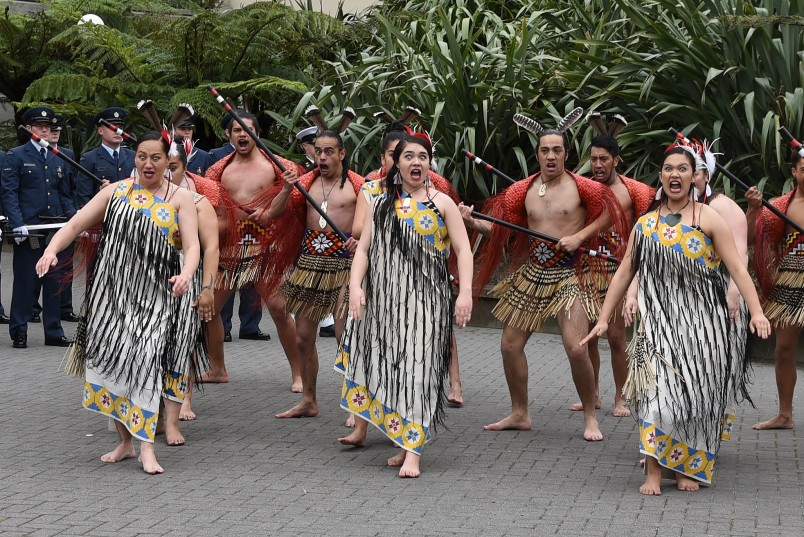
Unleash the Power of Pōwhiri and Whanaungatanga: How to Cultivate a Transformative Learning Community
—
by
in Education, Adult vocational education, cultural, cultural awareness, Cultural Competency, Cultural diversity and inclusion, Cultural Safety, Effective teaching techniques, Improve teaching practice, Inclusive Environment, Inclusive learning environment, Maori culture, Māori Cultural Safety, Māori culture and traditions, teaching and learning, Teaching Resources, Teaching Strategies, Teaching Strategies and Techniques, vocational, vocational education, Vocational Learning, Vocational Training, Workplace culture and communicationDiscover the transformative power of pōwhiri and whanaungatanga in creating a thriving learning community. Explore practical strategies and insights to foster a sense of belonging, collaboration, and cultural inclusivity. Unleash the potential of these Māori traditions to create a transformative and empowering educational environment for vocational adult learners.
-

Embracing Neurodiversity in Vocational Education: Understanding and Supporting Diverse Learners
—
by
in Education, Adult vocational education, Classroom Accommodations and Modifications, Diversity and Inclusion in the Workforce, Educator Professional Development, Learning Disorders and Disabilities, Mental Health and Well-being in Education, Neurodiversity, Neurodiversity and Inclusion, Promoting Empathy and Understanding, Special Education and Support Services, Teaching Strategies and Techniques, vocational educationExplore the importance of embracing neurodiversity in vocational education, with an introduction to various neurodiverse conditions, their unique challenges, and the role of educators in fostering an inclusive learning environment. Learn how to better support and adapt to the needs of neurodiverse students, promoting empathy and understanding in the classroom and the workforce.
-

Practical Ways to Support Rangatiratanga in Vocational Education
This post explores the concept of Rangatiratanga in vocational education. Rangatiratanga, which is central to Māori culture and emphasises the importance of self-determination and sovereignty. It highlights practical tips for vocational educators to incorporate Rangatiratanga into their teaching practice, such as promoting learner agency, encouraging critical thinking, and acknowledging cultural differences. By doing so, educators…
-

Nurturing Tuakana-Teina Relationships: Practical Steps for Vocational Teachers and Tradespeople
Learn about tuakana-teina, a Māori concept emphasizing the importance of collaborative learning, mutual respect, and support within a community. Discover practical steps to foster this relationship in your classroom or workshop, promoting a safe and comfortable environment for learning and growth.