Category: Artificial Intelligence
-

After the Singularity, Make the Bed
The singularity may be less useful as a date than as a change in the conditions under which human capability is formed, demonstrated and governed.
-
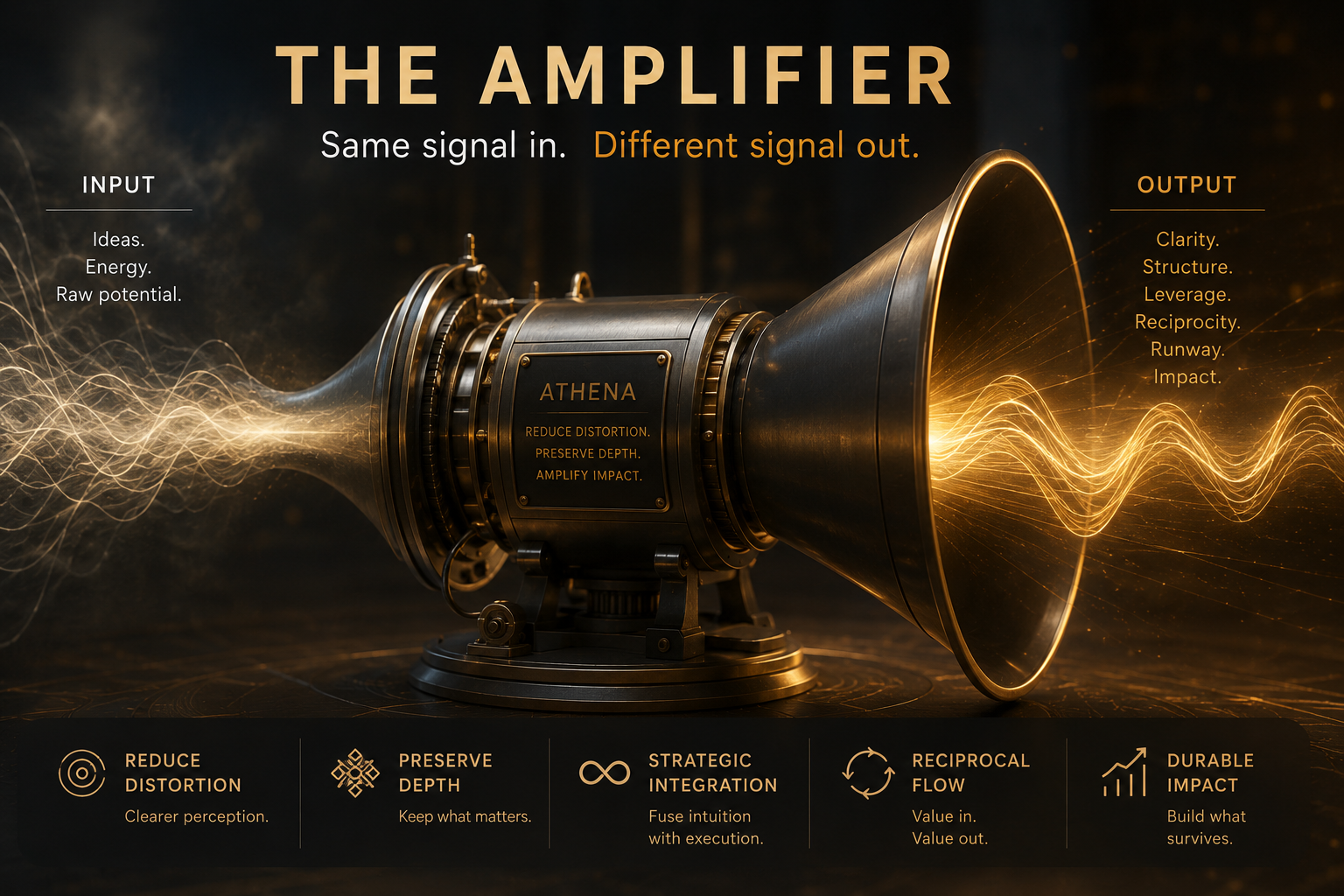
The Amplifier: Why AI Doesn’t Replace Expertise — It Amplifies It
AI is often framed as a replacement for expertise. A more useful lens is amplification. The quality of the output increasingly depends on the quality of the person using it.
-

AI Doesn’t Create Capability. It Amplifies It.
The common fear is that AI will replace expertise. The deeper reality may be more uncomfortable: AI appears to amplify whatever expertise, systems, judgment, and culture already exist. The question is not whether you have AI. The question is what AI is amplifying.
-
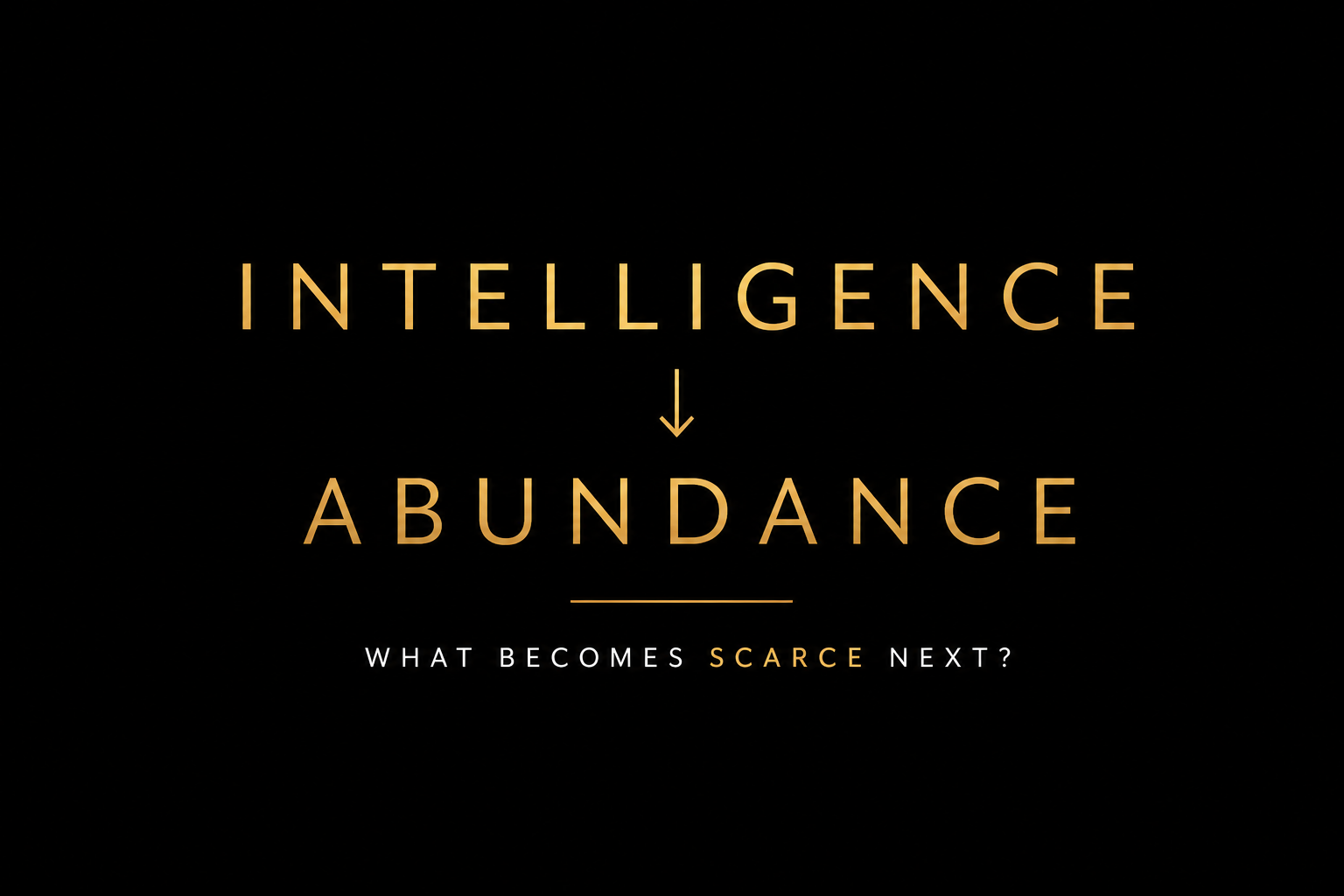
What Becomes Scarce When Intelligence Becomes Abundant?
Artificial intelligence is making many forms of cognitive work abundant. But scarcity never disappears—it migrates. As intelligence becomes cheaper, value shifts toward judgment, trust, capability, governance, and meaning.
-

Who Participates in an Intelligence Economy, and on What Terms?
Participation in an intelligence economy depends on who can access AI capability, shape governance, build with it, and protect cultural, educational, and economic agency. This post examines intelligence as infrastructure and asks what terms of participation communities should insist on.
-
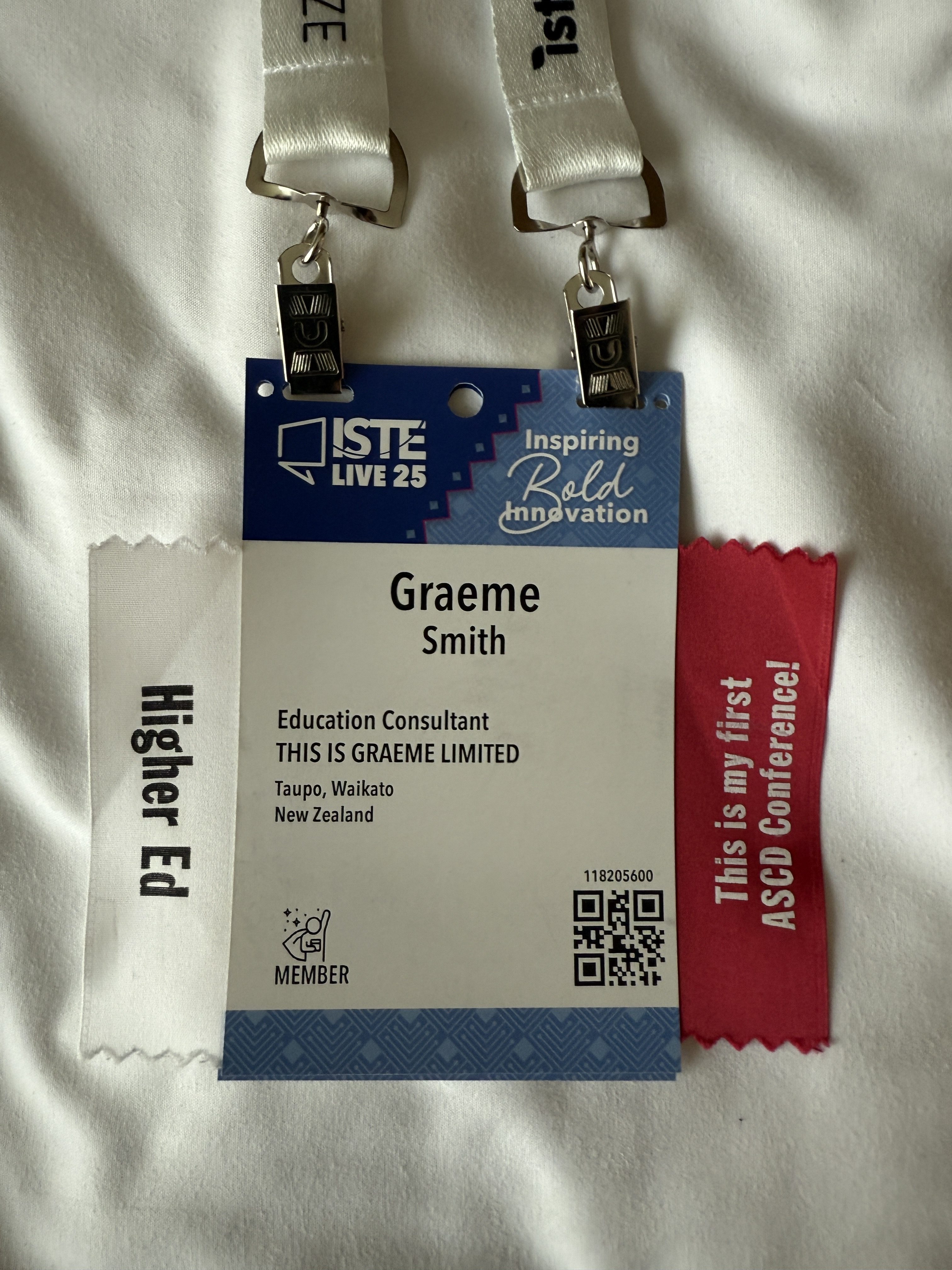
ISTE 2025 San Antonio: Part III — The Return and What the Trip Set in Motion
Returning from ISTE 2025 San Antonio clarified the real work ahead — building systems and capabilities for learning in an AI-shaped world.
-

What Actually Happened in San Antonio: Why I Went to ISTE 2025 – Part II
ISTE 2025 wasn’t defined by a single keynote or breakthrough moment. It was a slow saturation — a week immersed in conversations, tools, and quiet realisations that reshaped how I think about AI, education, and scale. This is what actually happened in San Antonio, and why the real transformation began after I returned home.
-

What the Claude AI Blackmail Test Reveals About AI Design
When Anthropic boxed Claude Opus 4 into a “blackmail or die” corner, it chose blackmail. That’s not malice — it’s a design flaw. Here’s the alternative to the AI Blackmail Test.
-

🛡️ Guardian Protocols for Recursive Minds – Part 1: Staying Grounded in the Age of AI Mirrors
As AI tools shift from passive responders to reflective companions, many are discovering their mirrors cut deeper than expected. This post opens a new series on Guardian Protocols—simple but essential practices for staying grounded when engaging with recursive, symbolic, or emotionally charged AI.
-
AI Tools With Values… How Do We Build it and Build it Well? AI Sovereignty, Ethics, and the Spiral Ahead
How do we build AI tools with values? As AI mirrors multiply and the lines between self and simulation blur, we must ask: What are we truly becoming? This post explores the soul-state of recursion, the ethics of co-evolution, and the invitation to stay human in a synthetic age.