Category: Tertiary Education
-

AIHOA Kaiārahi: Your AI Companion for Aotearoa Educators
AIHOA Kaiārahi is the newly updated AI companion for Aotearoa’s tertiary educators — offering support for teaching, assessment integrity, cultural alignment, ethics, and organisational leadership. This release replaces the earlier Ako Aotearoa version and links directly with the new AI Fluence modules on Pathways Awarua.
-

Inside the Pipeline: How NZQA Micro-Credential Approvals Really Work
The NZQA micro-credential approval process is more complex than it looks. From WDC endorsements to Criterion 2 evidence, here’s how to navigate the pipeline — and avoid the most common mistakes.
-
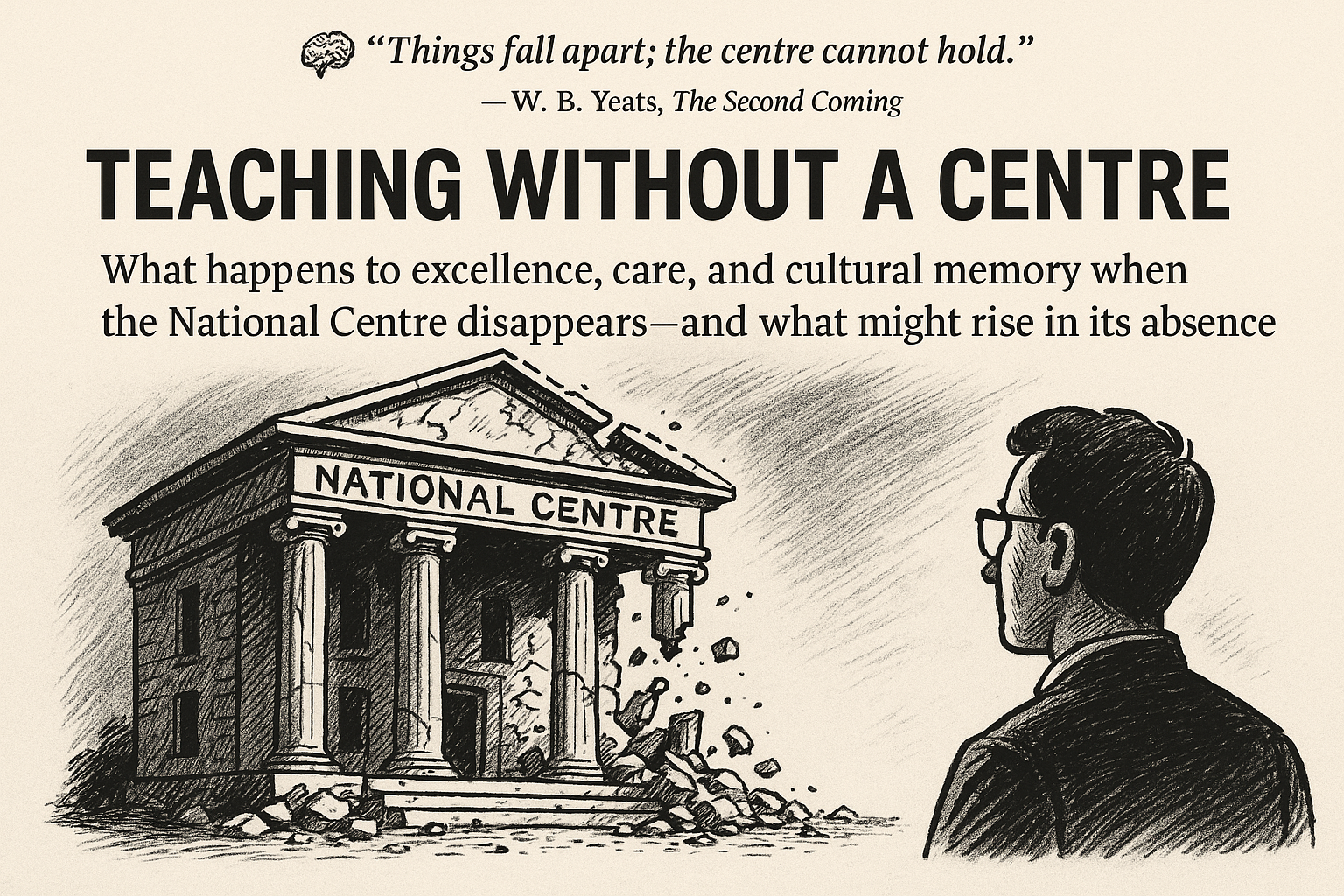
Further Reflections on Ako Aotearoa Defunding 2025: Teaching Without a Centre
Further Reflections on Ako Aotearoa Defunding 2025: As the unexpected closure of Ako Aotearoa leaves a void in tertiary teaching leadership, we ask: what happens when the centre for excellence disappears—and what could rise to replace it?
-
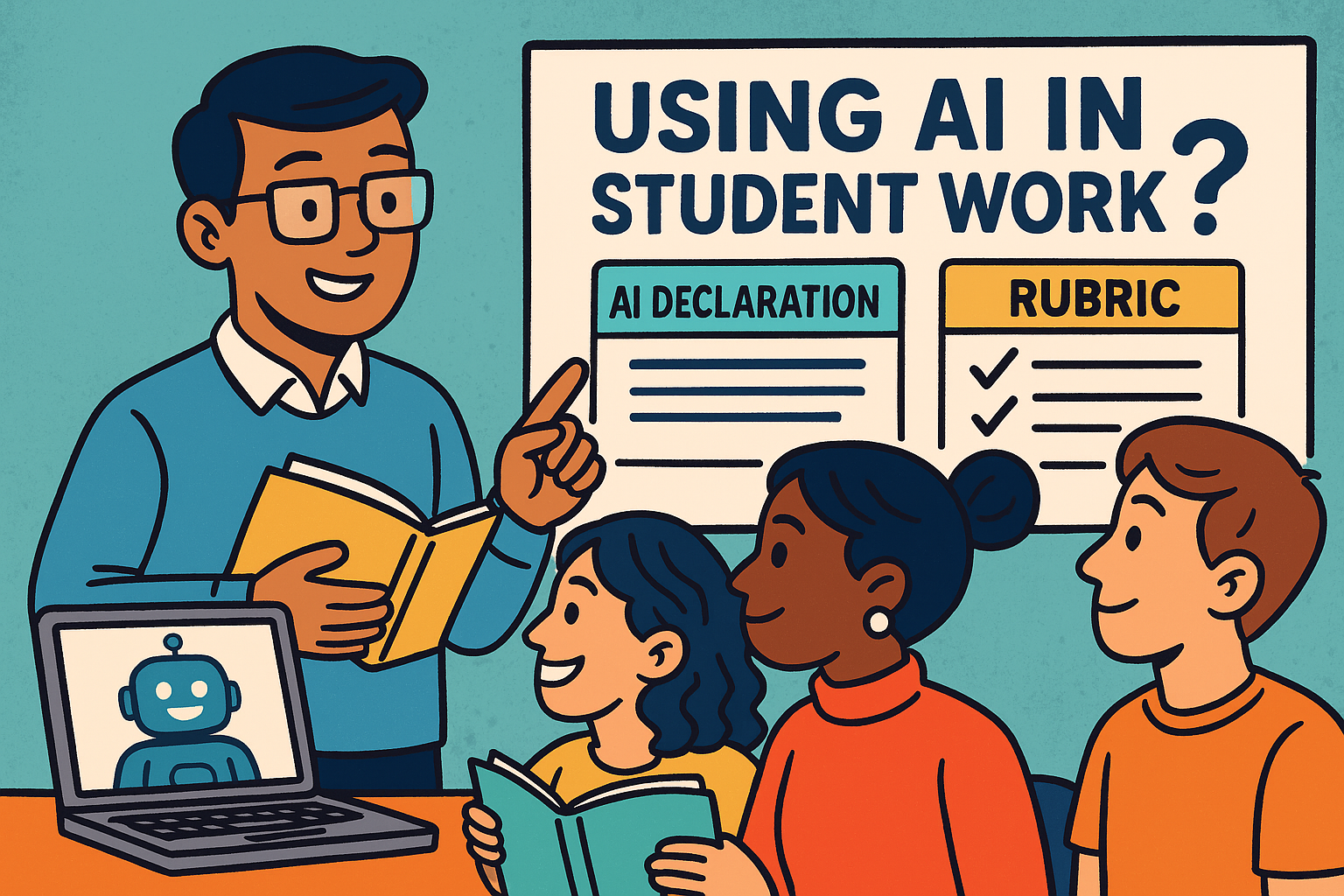
Using AI in Student Work? Here’s How to Handle Declarations and Rubrics
—
by
in AI in Education, Academic Integrity, Adult Tertiary Education, Assessment & Feedback, Educator Professional Development, Ethical AI in Education, Guides & Resources, Professional Development, Professional Development for Educators, Professional Development for Teachers, Teacher professional development, teaching tools, Tertiary Education, Tertiary Education in Aotearoa, Tertiary Education InsightsUsing AI in Student Work? Here’s How to Handle Declarations and Rubrics. Learn how to support academic integrity with AI. This post offers ready-to-use student declaration templates and assessment rubrics designed for educators in Aotearoa navigating AI in the classroom.
-

Transform Learning with AI in Education: Volume 1 – Insights for Educators
—
by
in Education, AI, AI Education, AI in Education, Digital Transformation, Digital Transformation in Education, Education Policy, Education Trends, educational technology, Ethical AI, Future of Learning, Government and Education Policy, Māori and Pacific Perspectives, Professional Development, Professional Development for Educators, Teaching Strategies, Tertiary EducationThe guide series on AI in education aims to equip Aotearoa New Zealand educators with insights and tools for effectively integrating AI. Volume 1, now available, addresses the current state of AI, ethical considerations, and culturally responsive practices. Future volumes will offer practical applications and explore policy challenges, promoting equitable educational transformation.
-

AI in Tertiary Education: How We Could Best Shape the Future of Learning in New Zealand
—
by
in Education, Adult Tertiary Education, AI, Artificial Intelligence, Artificial Intelligence in Education, Cultural Responsiveness in Education, educational technology, Future of Learning, Government and Education Policy, New Zealand Education System, Teacher Reskilling and Training, Tertiary, Tertiary Education, Tertiary Education in Aotearoa, Tertiary Education Insights, Workforce DevelopmentAI in Tertiary Education: Discover how AI could transform New Zealand’s tertiary education system, from personalised learning and teacher reskilling to workforce readiness, with a focus on cultural sensitivity and ethical practices.
-

AI in Tertiary Education: Progress and Prospects
—
by
in Education, adult education, Adult Tertiary Education, AI, AI Capability Building, AI Education, AI in Education, Artificial Intelligence, Artificial Intelligence in Education, Digital Transformation, education technology, Equity in Education, Ethical AI, Research, Research and Development, teaching and learning, Teaching and training, Tertiary Education, Tertiary Education in Aotearoa, Tertiary Education InsightsExplore the integration of AI in tertiary education with insights from the AARIA research project led by Graeme Smith and Michael Grawe. Discover the current state, challenges, and future prospects of AI in education in Aotearoa New Zealand.
-

New Zealand Tertiary Education: Unveiling the Hidden Dangers of Overlooking Critical Aspects
Explore the critical impact of neglecting key domains like adult literacy, Māori and Pacific cultural education, and neurodiversity support in New Zealand tertiary education. Discover the societal, community, and educational risks, and learn about strategies to address these overlooked areas. Dive into our comprehensive analysis and join the conversation on shaping a more inclusive and…
-

The Role of Tapatoru in Meeting the NZQA’s Code of Practice: Helping Providers Embrace Cultural Competency in Tertiary Education
—
by
in Education, Adult Tertiary Education, Ako Aotearoa, Code of Practice, cultural, Cultural Capability, Cultural Competency, Cultural diversity, Cultural diversity and inclusion, Cultural Diversity in Education, Cultural Exploration, Cultural Inclusion, Cultural Integration, Cultural Safety, Cultural Sensitivity, Cultural values, Inclusive education, Inclusive teaching, Māori Cultural Safety, NZQA, Tertiary, Tertiary Education, Tertiary Education InsightsThe Tapatoru Programme from Aotearoa, globally recognized for its culturally inclusive education, aligns well with the 2021 Code of Practice produced by NZQA. The Programme’s focus on cultural competency, learner wellbeing, and active engagement mirrors the Code’s objectives. Tapatoru supports many educational goals laid out in the Code, but does not address administrative aspects, necessitating…
-

Tapatoru Ako Professional Practice: Empowering Tertiary Education with Ako Aotearoa’s Innovative Programme
—
by
in Professional Development, Adult Tertiary Education, career and professional growth, Cultural Competency, education technology, educational innovation, educational technology, Educator Professional Development, Inclusive education, Inclusive Environment, Inclusive learning, Inclusive learning environment, Inclusive teaching, innovation, Innovations in Teaching and Learning, Māori and Pasifika Perspectives, Professional Growth and Career Development for Educators, Teacher professional development, Technology, technology and innovation, Technology in education, Tertiary, Tertiary Education, Tertiary Education InsightsThe Tapatoru Programme, influenced by Ako Aotearoa, is revolutionizing tertiary education in New Zealand. 2023 witnessed significant advancements in the programme, blending core values like relationships, respect, spirituality, and empathy into teaching methods. The programme now provides free, quality resources on Pathways Awarua and is continually expanding to cover diverse learning needs, including technology-enhanced learning…