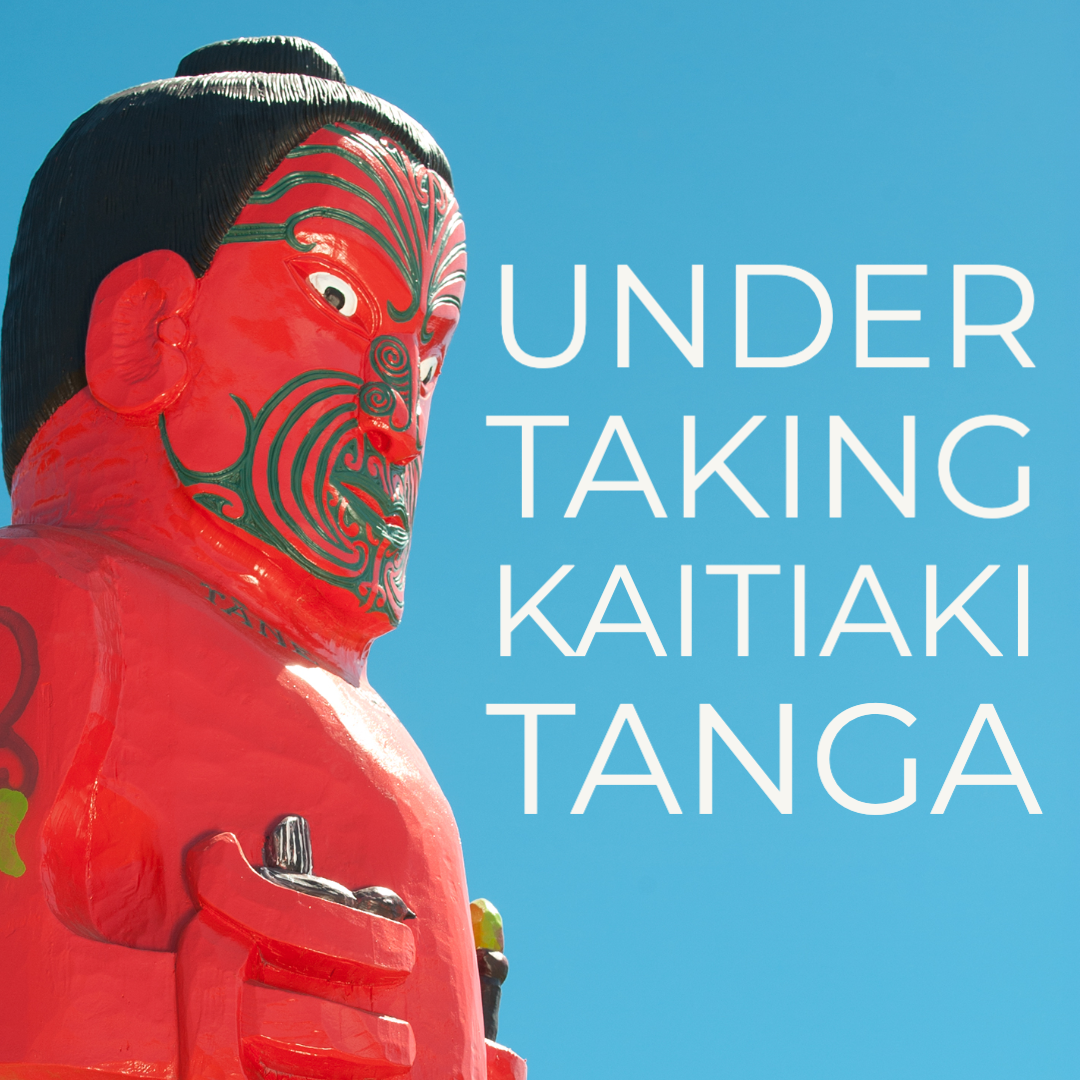

To undertake kaitiakitanga in education is to act as a careful guardian of learner knowledge, mana, wellbeing, relationships, and future capability. In practice, this means designing learning environments where care, responsibility, process, feedback, and learner success are treated as connected obligations rather than separate tasks.
This post is the practical companion to What Is Kaitiakitanga? and sits within the broader Cultural Intelligence in Education pathway.
This is part of a series on educational success and learner-centred teaching
The question behind this post is practical:
- How do you undertake kaitiakitanga in an adult literacy, numeracy, or capability-development teaching environment?
One answer is that you need a framework. Kaitiakitanga is not just a value statement. It becomes useful when it shapes the process, applied principles, and everyday decisions that support learner success.
Frameworks for undertaking kaitiakitanga
There are two useful layers to think about when applying kaitiakitanga in education:
- The process: what you actually do as a teacher, tutor, facilitator, or learning designer.
- The applied principles: the responsibilities and ways of working that guide those actions.
Both layers matter. Without process, kaitiakitanga can stay abstract. Without principles, process can become mechanical and disconnected from care, mana, relationships, and context.
The process
The process of undertaking kaitiakitanga involves paying attention to learners, context, relationships, learning goals, feedback, and the wider environment that affects success. It asks educators to think beyond delivery and consider what needs to be protected, strengthened, and grown.
In practical terms, this can include knowing the learner, building trust, designing learning that fits the context, responding to feedback, and adjusting the learning environment when something is not working.
Applied principles
The applied principles of kaitiakitanga involve responsibility, care, stewardship, protection, guidance, and positive outcomes. In education, these principles should show up in how learners are supported, how knowledge is handled, and how relationships are maintained.
Kaitiakitanga should also be mana-enhancing. It should strengthen learner identity, confidence, participation, and capability rather than making learners feel exposed, diminished, or disconnected from the learning process.
Six elements of kaitiakitanga
One way to make kaitiakitanga more usable is to translate it into six practical elements for teaching and learning design:
- Care for learner knowledge, identity, and wellbeing.
- Build relationships that support trust and participation.
- Protect learner mana through respectful teaching and feedback.
- Design learning processes that fit context and purpose.
- Take responsibility for positive learner outcomes.
- Consider long-term capability, not only immediate completion.
These elements are not a checklist to complete once. They are prompts for professional judgement. They help educators ask whether the learning environment is caring for the right things.
How can you use this and other concepts to create learner success?
Kaitiakitanga works well alongside ako. Ako emphasises reciprocal teaching and learning. Kaitiakitanga emphasises care, responsibility, and stewardship. Together, they support a more relational and culturally intelligent approach to learner success.
The practical question for educators is not only whether learners completed the task. It is whether the learning process protected and strengthened learner capability, confidence, relationships, and future participation.
Related Cultural Intelligence Pathways
Start with the definition page, What Is Kaitiakitanga?, then connect this practical post to the broader Cultural Intelligence in Education pathway.
For a related concept, read What Is Ako?, which explains reciprocal teaching and learning.
FAQ: Undertaking Kaitiakitanga In Education
What does it mean to undertake kaitiakitanga?
To undertake kaitiakitanga means to put guardianship, care, responsibility, and stewardship into practice. In education, this includes caring for learner knowledge, mana, wellbeing, relationships, and future capability.
How can teachers practise kaitiakitanga?
Teachers can practise kaitiakitanga by knowing learners, building trust, designing for context, giving mana-enhancing feedback, responding to learner needs, and taking responsibility for positive learning outcomes.
What are the applied principles of kaitiakitanga?
The applied principles include care, responsibility, stewardship, protection, guidance, relationship, and a commitment to outcomes that strengthen learners and communities.
How does kaitiakitanga support learner success?
Kaitiakitanga supports learner success by treating learning as a relationship of care and responsibility, not just a transfer of information. It helps educators design environments where learners can grow capability and confidence.
How does kaitiakitanga connect to ako and cultural intelligence?
Kaitiakitanga connects to ako because both concepts are relational. Ako focuses on reciprocal teaching and learning, while kaitiakitanga focuses on care, guardianship, and responsibility. Together, they support culturally intelligent education practice.


Kia ora! Hey, I’d love to know what you think.