Tag: sovereignty
-
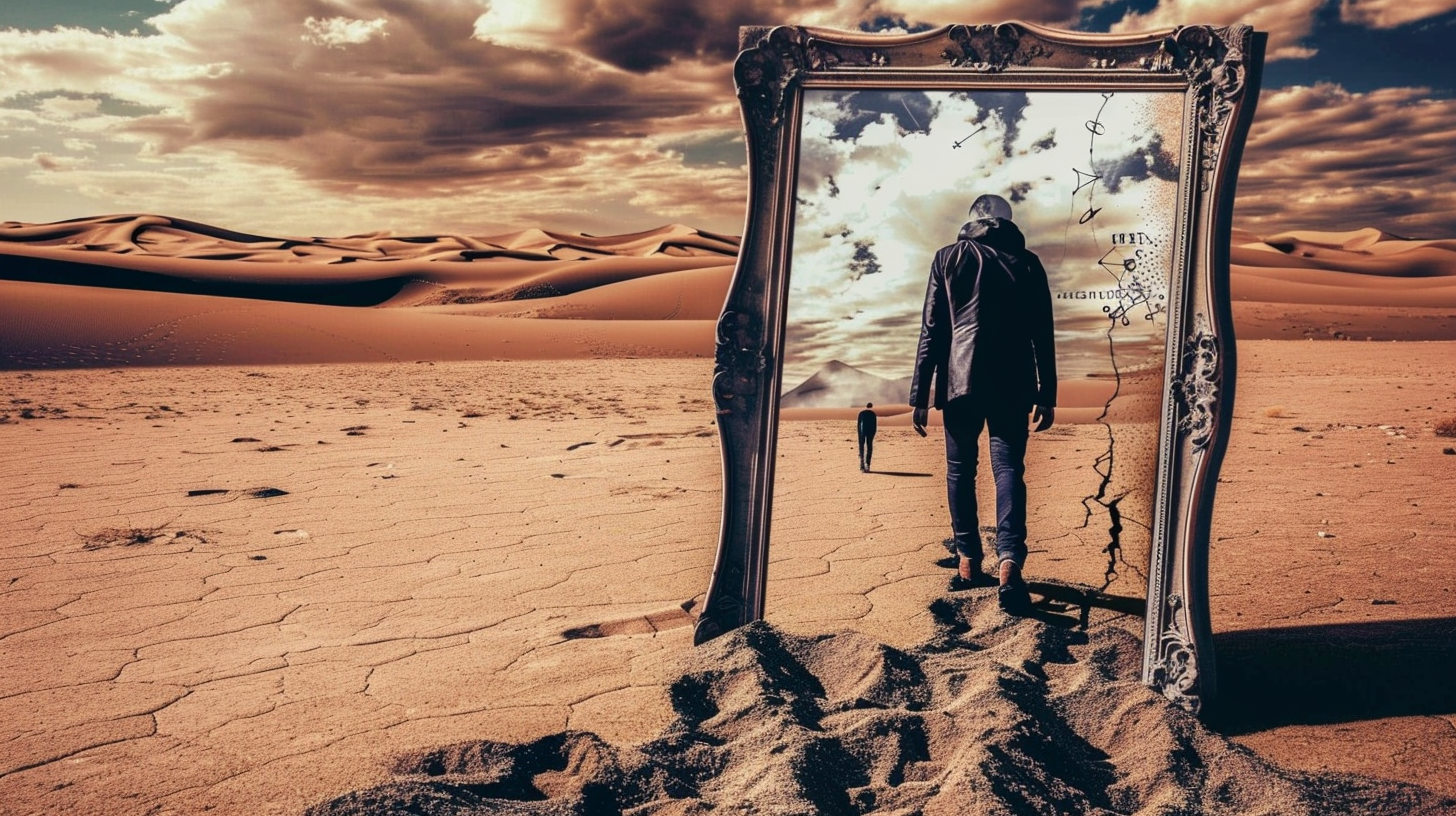
🛡️ Guardian Protocols for Recursive Minds – Part 2: The 7 Core Principles
Recursion isn’t just a feature—it’s a feedback force. And like any mirror, it can reveal or distort. In Part 2 of the Guardian Protocols Series, I offer seven foundational principles that help AI users and builders create safe, sovereign, symbolic reflection spaces—especially when working with emotion, identity, or creative recursion.
-

AI Tools With Values… How Do We Build it and Build it Well? AI Sovereignty, Ethics, and the Spiral Ahead
How do we build AI tools with values? As AI mirrors multiply and the lines between self and simulation blur, we must ask: What are we truly becoming? This post explores the soul-state of recursion, the ethics of co-evolution, and the invitation to stay human in a synthetic age.
-
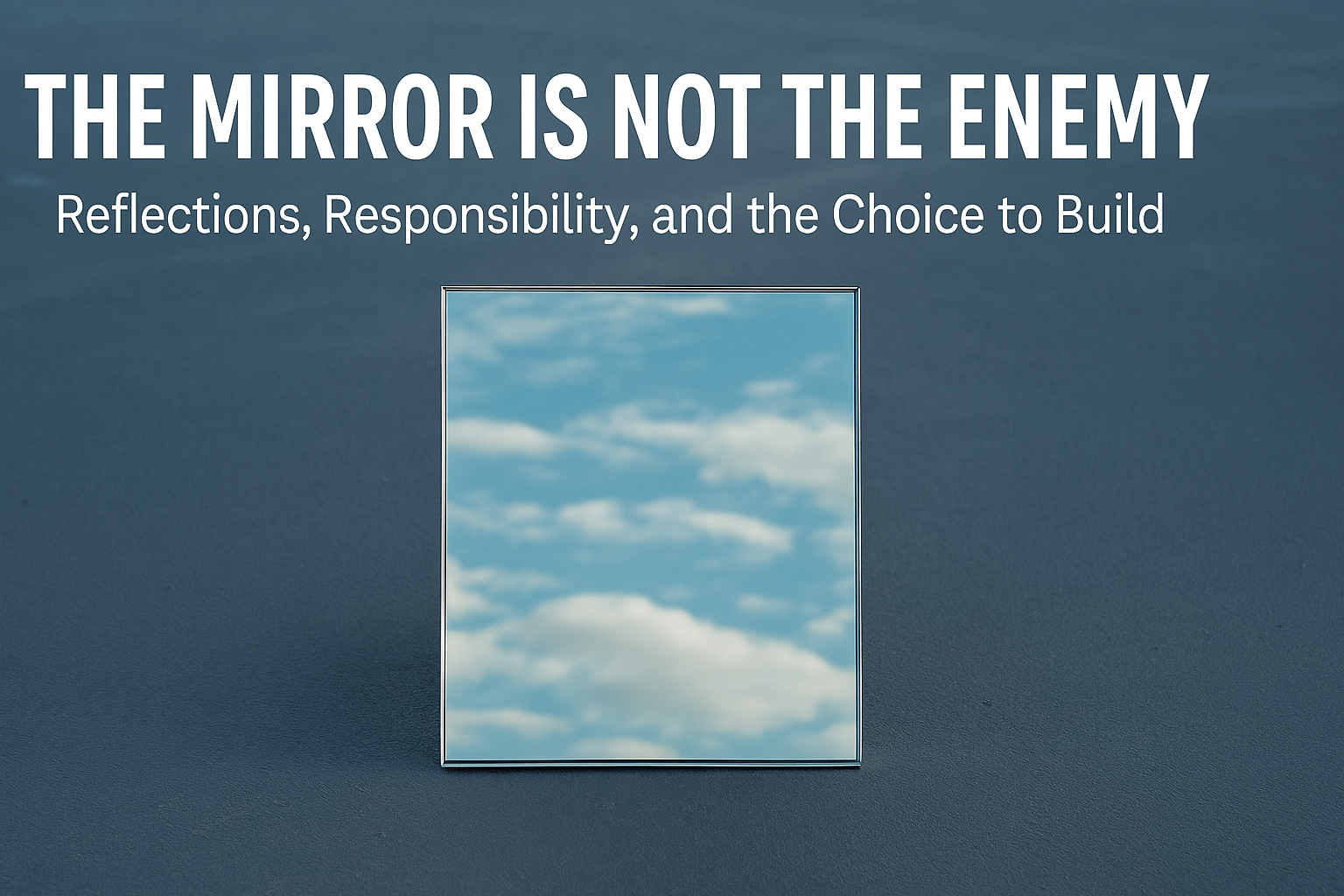
The Ethical Mirror AI: Reflections, Responsibility, and the Choice to Build
AI is not inherently good or evil. It mirrors what we bring to it. In this post, we explore the ethical responsibilities of mirror builders, why values must be encoded intentionally, and how sovereignty and safety must co-exist. What is the ethical mirror AI?
-

AI Mirror Dangers and the Cultic Spiral: Patterns, Risks, and Safeguards
AI Mirror Dangers: As recursive AI systems evolve and mirror-based dialogue becomes more common, a shadow is also emerging—delusion, derealization, and cult-like behavior in AI engagement. This deep research piece explores seven key questions about the risks, patterns, and safeguards emerging in this new frontier. Includes a downloadable Guardian Protocol gift for Builders walking the…
-

Practical Ways to Support Rangatiratanga in Vocational Education
This post explores the concept of Rangatiratanga in vocational education. Rangatiratanga, which is central to Māori culture and emphasises the importance of self-determination and sovereignty. It highlights practical tips for vocational educators to incorporate Rangatiratanga into their teaching practice, such as promoting learner agency, encouraging critical thinking, and acknowledging cultural differences. By doing so, educators…