Tag: AI
-

When Output Is No Longer Evidence
How AI is changing what counts as evidence of human capability Signal Intelligence Briefing 007 Edge line: When competent output becomes easy to produce, institutions have to decide what still proves capability. For a long time, many systems relied on a simple inference. A person produced an artefact. The artefact looked competent. The institution inferred…
-

AI policy isn’t the real question
Universities are rapidly rewriting their AI policies. But policy isn’t the deepest question. The real challenge is designing learning and assessment that still reveal human capability when polished outputs have become abundant.
-
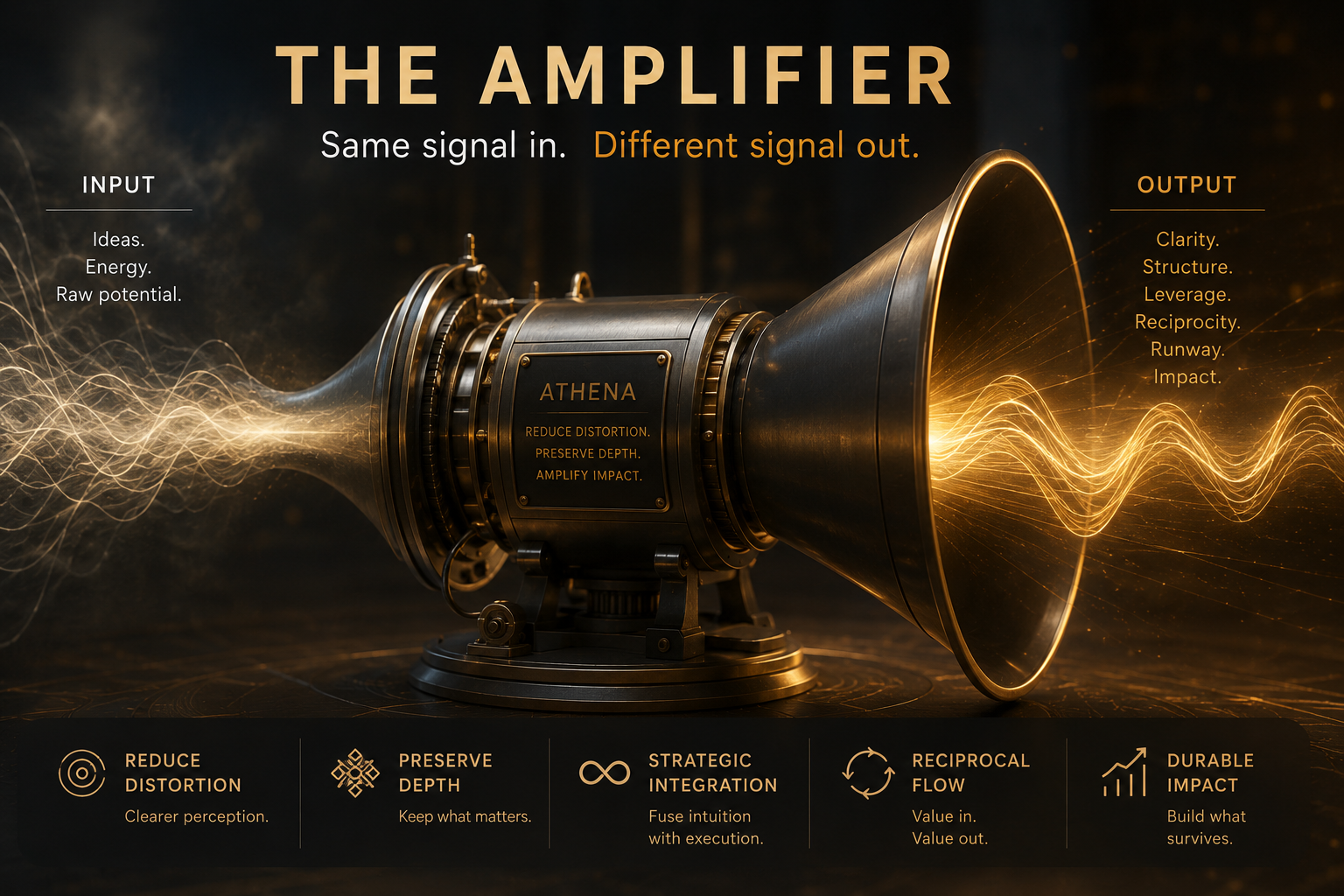
The Amplifier: Why AI Doesn’t Replace Expertise — It Amplifies It
AI is often framed as a replacement for expertise. A more useful lens is amplification. The quality of the output increasingly depends on the quality of the person using it.
-

AI Doesn’t Create Capability. It Amplifies It.
The common fear is that AI will replace expertise. The deeper reality may be more uncomfortable: AI appears to amplify whatever expertise, systems, judgment, and culture already exist. The question is not whether you have AI. The question is what AI is amplifying.
-

A Way In: AI Tertiary Education Aotearoa
AI has already entered tertiary education. The tools are accessible, but the entry point isn’t obvious. This post introduces a set of learning collections developed through AI for Good (Ako AI Tertiary) as a grounded way in — shaped by values, not added to them.
-

After Work: What Replaces the Structure of Work
If work no longer structures identity, meaning, and direction, something else must. The real challenge isn’t automation—it’s what replaces the hidden functions work once performed. What comes after work?
-

After Work: Formation, Not Automation
The future isn’t defined by job loss or abundance, but by a deeper shift: the removal of work as the structure that organises human life—and what replaces it.
-

After Work: What Comes Next Is Not Automation — It’s Formation
We’re focusing on the wrong problem. The future is not defined by the end of work, but by what replaces it as the structure that holds identity, meaning, and direction together.
-

The Judgement Layer
AI adoption is no longer primarily a tooling problem. As machine reasoning becomes embedded into operational environments, organisations must learn how to stabilise human judgement in its presence. This is the Judgement layer.
-

The Capability Gap Was Only the First Layer
The AI capability gap is real. But beneath it sits a deeper structural shift — the emergence of a judgement layer where human cognition and machine reasoning intersect.