Why Fighting AI Isn’t the Answer — and What We Can Do Instead

📌 The Dilemma: ChatGPT Walks into the Classroom — Now What?
The rise of generative AI tools like ChatGPT has sparked more than a few staffroom debates. If you’ve asked yourself, “How do we stop students from cheating with AI?” or “Should we just ban it altogether?” — you’re not alone.
But maybe we’re asking the wrong questions.
Instead of trying to shut the door on AI in education assessment, what if we opened it — and invited it to reshape how we think about assessment?

🔁 The Mindset Shift: From Policing to Purposeful Design
Here’s the truth: AI isn’t going anywhere. And trying to block it might not just be futile — it could be a missed opportunity.
Rather than doubling down on surveillance, we could focus on rethinking assessments to reflect how the world is changing. That means:
- Using AI as a Partner in Learning
Let students tap into AI for brainstorming, early drafts, or refining ideas. Done right, it can boost creativity and engagement. - Highlighting the Process, Not Just the Product
Ask students to show how they got to the final result — what tools they used, what decisions they made, and why. This makes learning visible. - Building Critical Thinkers, Not Copy-Pasters
AI doesn’t remove the need for thinking — it makes thinking more important. We can help learners analyse and challenge what AI produces, sharpening their judgement and insight.

🛠 Practical Tips: Designing AI-Friendly (and Cheating-Resistant) Assessments
So how do we do this in real classrooms? Here are a few ideas already being tested by educators around Aotearoa:
- Be Upfront About AI Use
Set clear guidelines. Let students know what’s OK, what’s not, and where reflection and transparency are expected. - Ask for Reflections
Get students to write about how they used AI, what they learned, and what they’d do differently next time. - Make it Social
Group projects with shared goals make it harder to lean too heavily on AI — and easier to focus on collaboration and communication. - Show Your Working
Ask for drafts, outlines, or even chat transcripts alongside final submissions. It tells the story behind the work — and helps identify learning gains (or red flags).

🧑🏫 What Educators Need Right Now
Let’s be honest — this shift is big, and educators can’t do it alone. That’s why support matters:
- Professional Learning
We need more practical training and conversations on AI in the assessment space — not just theory, but hands-on ideas. - Shared Wisdom
Platforms where kaiako can swap strategies, templates, and real-world wins will go a long way. - Coherent Policies
Institutions need clear, flexible policies that reflect the reality of AI — not just rules that assume it doesn’t exist.

🚀 Looking Ahead: What If This Is an Upgrade?
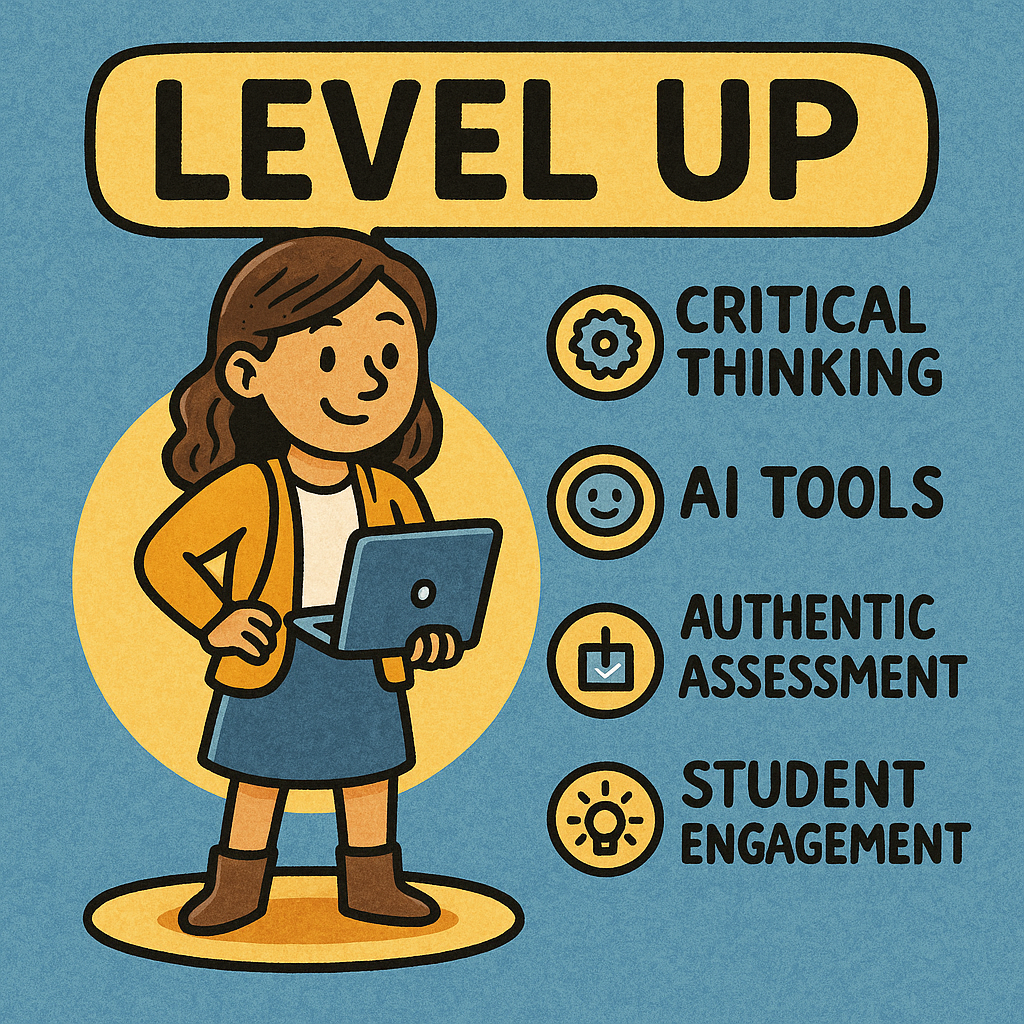
AI isn’t just a threat to academic integrity — it’s a call to evolve. By redesigning assessment with AI in mind, we’re not dumbing things down. We’re levelling them up — aligning with the skills, tools, and critical thinking our students will need in their future workplaces.
Let’s not waste energy fighting the tide. Let’s learn to surf it.

📘 Ready to Go Deeper?
If this post hit a nerve, you’ll want to grab a copy of my latest book:
Education is Over. Adapt or Die
This isn’t a think piece. It’s a tactical manifesto for educators navigating the AI-disrupted landscape — teachers, trainers, and learning leaders who refuse to go extinct.
Inside, you’ll find:
- Tactical tools to evolve your teaching
- Mental models for surviving the new learning order
- Provocations and playbooks for reinvention
If you’ve been wondering “What comes after the classroom?” — this is your field guide.
Kia ora! Hey, I’d love to know what you think.