Celebrating Gary Sharpe & Dyscalculator
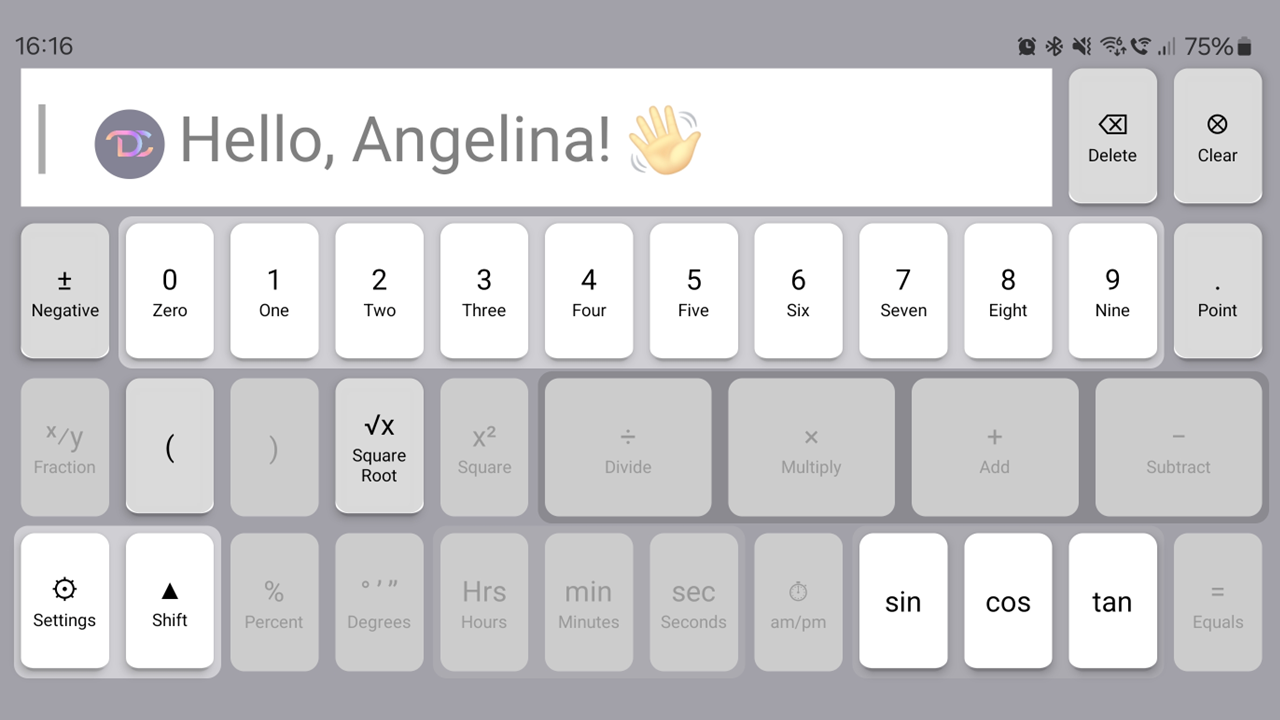
Dyscalculator is an accessibility-first calculator designed to support learners with dyscalculia and other numeracy barriers. Gary Sharpe’s Numeracy Educator Award recognises a practical tool that makes maths input, layout, language, and learner control more accessible. This is a useful example of AI and education technology strengthening capability rather than replacing it.
This post sits in the same territory as AI Capability & Judgement and Strategies For Neurodiverse Adult Learners: how technology can support learning without weakening human capability, agency, or trust.
TL;DR:
Gary Sharpe has won the Numeracy Educator Award for his work on Dyscalculator™, a calculator designed to support people with dyscalculia (sometimes called “maths dyslexia”). Dyscalculator is free, cross-platform (web, iOS, Android), and packed with accessibility-first features like custom key labels, OpenDyslexic font, Irlen shading, Te Reo Māori language support, and more. Try it here: dyscalculator.app.
At today’s Literacy and Numeracy Educator Award gathering hosted by Ako Aotearoa, the Numeracy Educator Award went to Gary Sharpe for his work on Dyscalculator™—a calculator designed specifically for learners with dyscalculia (often called “maths dyslexia”). It’s accessibility-first, learner-centred, and available across web, iOS, and Android.

What makes Dyscalculator different?
- Neurodiversity-aware design: custom key labels (e.g., “plus”/“and”), Irlen shading, OpenDyslexic font, and multiple languages including Te Reo Māori.
- Real-world maths modes: fractions and mixed fractions; time durations (hrs/min/sec); clock time (a.m./p.m. with ⏱); percent & tax (pre/post-tax).
- Expressive display: full formula + real-time evaluation, thousands separators, clean fraction/time rendering, degrees/radians for trig.
- Show working: tap the formula to reveal the steps—great for teaching precedence and transparency.
Why this matters: tools like Dyscalculator lower the cognitive load, letting learners focus on understanding, not fighting the interface. For teachers, it’s a practical accommodation that pairs nicely with differentiated instruction and foundation skills pathways.
Where to try it:
- Web: https://dyscalculator.app/
- iOS: https://apps.apple.com/nz/app/dyscalculator/id6749684415
- Android: https://play.google.com/store/apps/details?id=com.pschlup.dcalc&pli=1
Ngā mihi and congratulations to Gary Sharpe and contributors Philip Schlup (software/algorithms) and Michael Grawe (project/marketing). More of this, please.
Related Capability Pathways
- AI Capability & Judgement – how AI and education technology can strengthen human capability when used with purpose and judgement.
- Strategies For Neurodiverse Adult Learners – practical support for neurodiverse learners in adult and vocational education.
- Reading Comprehension For Adult Learners – another learner-support asset in the wider capability pathway.
- AI, Capability & Education Change – consulting and advisory work around AI, capability systems, and education change.
FAQ: Dyscalculator, Dyscalculia And Accessible Numeracy
What is dyscalculia?
Dyscalculia is a neurodiverse learning difficulty that affects a person’s ability to understand, remember, and work with numbers. Sometimes referred to as “maths dyslexia,” it can impact tasks like telling time, using money, or doing everyday calculations.
How is Dyscalculator different from a regular calculator?
It’s designed with accessibility in mind. Features include:
- Customisable key labels (e.g., “plus”/“and”)
- Irlen shading for readability
- OpenDyslexic font option
- Fraction, time, and percentage/tax calculations
- Te Reo Māori and multiple language support
- An “expressive display” that shows formulas, fractions, and working steps clearly
Who is Dyscalculator for?
Anyone can—but it’s especially useful for learners with dyscalculia, teachers looking for accessible tools, or adults needing extra support with numbers.
Where can I try Dyscalculator?
- Web: dyscalculator.app
- iOS: Download on the App Store
- Android: Get it on Google Play
If you use Dyscalculator in class or workplace training, we’d love to hear how you introduce it and what shifts you notice.
Kia ora! Hey, I'd love to know what you think.